-
Bar Old Town
Link -
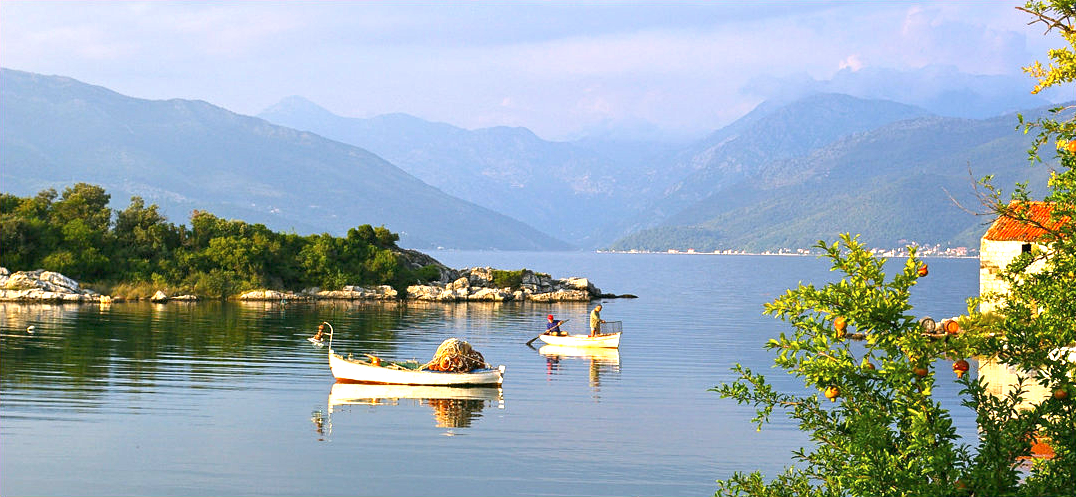
Tivat
Link -
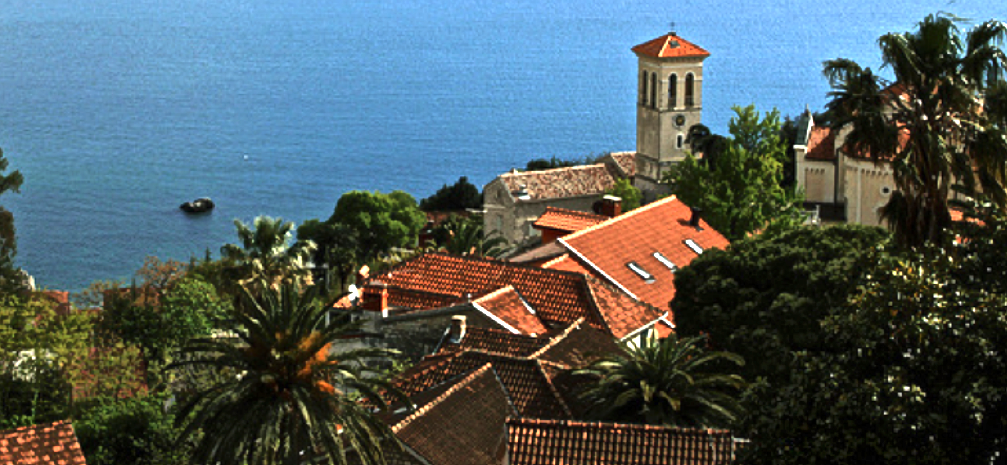
Herceg Novi
Link -
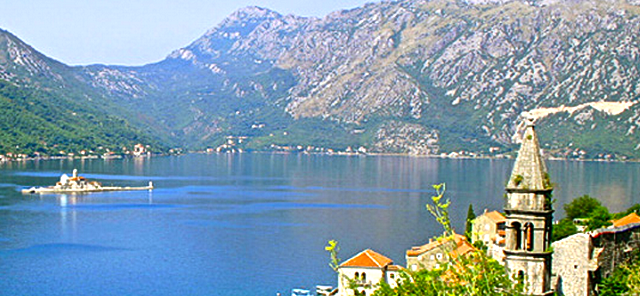
Perast
Link -
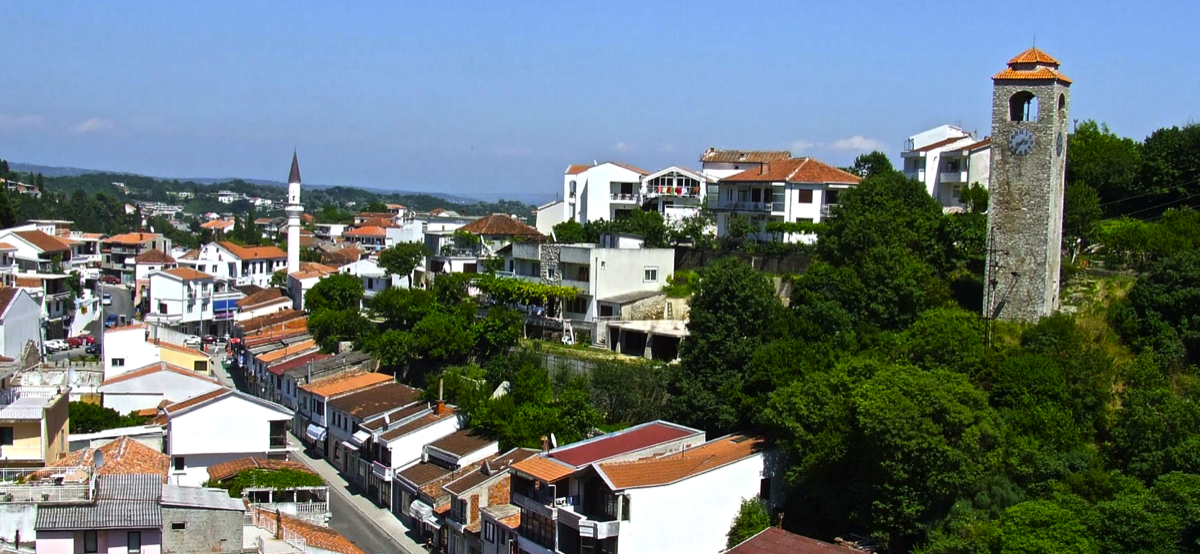
Ulcinj
Link
Costal Towns And Cities
Bar
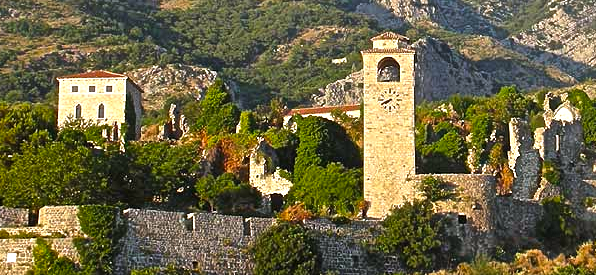
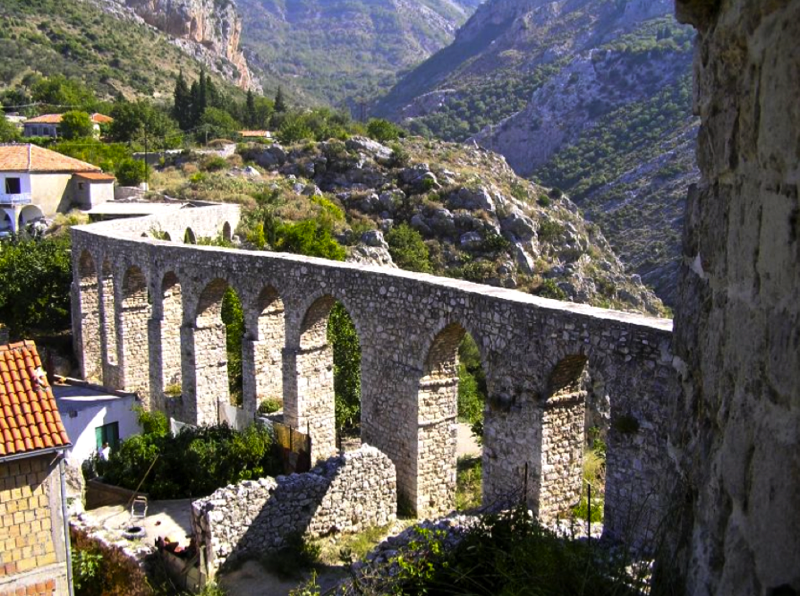
Like most Montenegrin towns, throughout its history Bar has belonged to various civilisations and cultures. What makes it stand out among Montenegrin towns today is that it is representative of several of the cultures that it belongs to, and in some cases had belonged to for centuries. There is an interesting settlement called Stari Bar that is thought to have originated from as early as 800 BC, which was destroyed by the Romans around 3rd century BC.
As a city of olives, the sea gate of Montenegro, long lasting melting-pot of different confessions and nations, Bar represents a mix of modernity, tradition and beauty. It is an important and dynamic economic centre within Montenegro, but is also a town of rich cultural and historical tradition. Some of the highest achievements of Montenegro’s civilisation originated in Bar. The oldest written documents and the most important work of medieval Montenegrin literature and history can be found here.
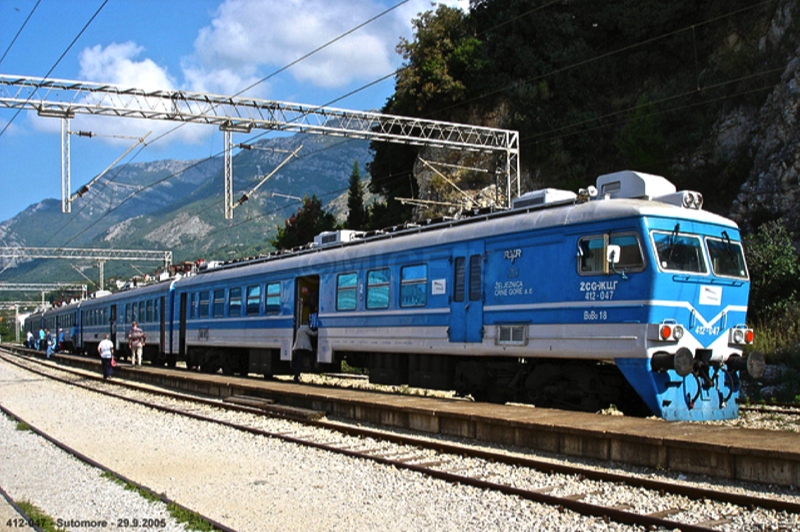
One of the world’s oldest olive trees grows here, the Old Olive of Mirovica, which is more than 2000 years old.The rich cultural and historical tradition of the Bar area is combined with the unique gifts of nature, a friendly climate and a remarkable geographical position. The biggest Montenegrin harbour is at Bar and the ferry goes between the Italian city of Bari with Montenegro Lines. There is a train line that goes through Podgorica to Belgrade from Bar.
Like most Montenegrin towns, throughout its history Bar has belonged to various civilisations and cultures. What makes it stand out among Montenegrin towns today is that it is representative of several of the cultures that it belongs to, and in some cases had belonged to for centuries. There is an interesting settlement called Stari Bar that is thought to have originated from as early as 800 BC, which was destroyed by the Romans around 3rd century BC.
As a city of olives, the sea gate of Montenegro, long lasting melting-pot of different confessions and nations, Bar represents a mix of modernity, tradition and beauty. It is an important and dynamic economic centre within Montenegro, but is also a town of rich cultural and historical tradition. Some of the highest achievements of Montenegro’s civilisation originated in Bar. The oldest written documents and the most important work of medieval Montenegrin literature and history can be found here.
One of the world’s oldest olive trees grows here, the Old Olive of Mirovica, which is more than 2000 years old.The rich cultural and historical tradition of the Bar area is combined with the unique gifts of nature, a friendly climate and a remarkable geographical position. The biggest Montenegrin harbour is at Bar and the ferry goes between the Italian city of Bari with Montenegro Lines. There is a train line that goes through Podgorica to Belgrade from Bar.
Budva
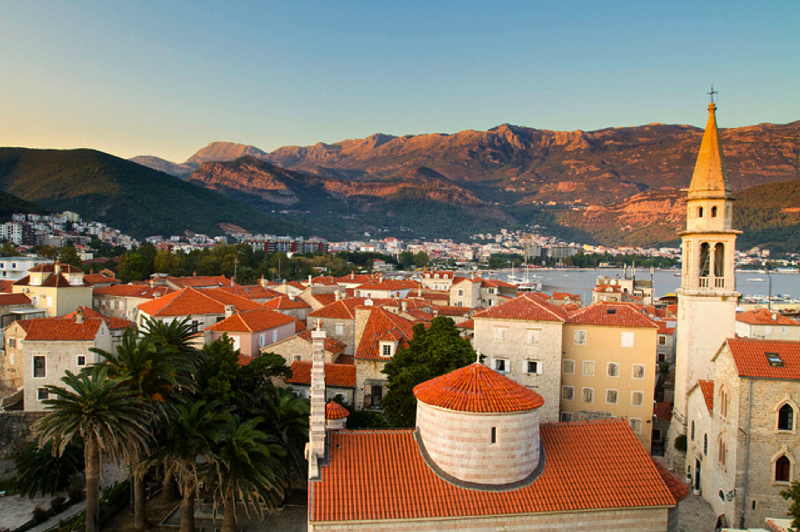
The coastal area around Budva is the centre of Montenegro's tourism, and is well known for its sandy beaches, diverse nightlife, and examples of Mediterranean architecture. The Budva municipality includes the areas that start with Jaz Beach and goes along through central Budva, to smaller places like Becici and Rafailovici, to the magnificent town on water Sveti Stefan. It finally ends up with Petrovac a charming, small and quiet tourist resort.
A catastrophic earthquake struck Budva on 15 April 1979. Much of the old town was devastated. Today there is little evidence of the catastrophe, almost all the buildings were restored to their original form.
The historical facts tell that Budva was founded by Greeks. By the middle 2nd century the Romans occupied Budva. Later the Roman empire split Budva through the center, half belonged to Romans and half to the Byzantium. In 535 Budva become Byzantine until it was conquired by Saracens in ad 841. In the Middle Ages, Budva was reigned by a succession of Doclean kings, Serbian and Zetan aristocrats. The reign of these various Slavic rulers continued until around the early 1400’s .Then the Venetians ruled for nearly 400 years, from 1420 to 1797. During this period the old Town of Budva was basically shaped into what it looks like today.
In the very turbulent years that followed, Budva saw a change of several supreme rulers from Austria to France and Russia. From 1814 until 1918 Budva remained under the Austrian Empire. In 1918 the Serbian army entered Budva and thus the Austrian forces abandoned it and it then came under the Kingdom of Yugoslavia until it was annexed to Italy in 1941. During World War II many people of this area died in the fight between partizans and Axis troops. Budva was finally liberated from Nazi rule on 22 November 1944 and once again it was part of Yugoslavia. Today Budva is part of the newly independent Montenegro.
The coastal area around Budva is the centre of Montenegro's tourism, and is well known for its sandy beaches, diverse nightlife, and examples of Mediterranean architecture. The Budva municipality includes the areas that start with Jaz Beach and goes along through central Budva, to smaller places like Becici and Rafailovici, to the magnificent town on water Sveti Stefan. It finally ends up with Petrovac a charming, small and quiet tourist resort.
A catastrophic earthquake struck Budva on 15 April 1979. Much of the old town was devastated. Today there is little evidence of the catastrophe, almost all the buildings were restored to their original form.
The historical facts tell that Budva was founded by Greeks. By the middle 2nd century the Romans occupied Budva. Later the Roman empire split Budva through the center, half belonged to Romans and half to the Byzantium. In 535 Budva become Byzantine until it was conquired by Saracens in ad 841. In the Middle Ages, Budva was reigned by a succession of Doclean kings, Serbian and Zetan aristocrats. The reign of these various Slavic rulers continued until around the early 1400’s .Then the Venetians ruled for nearly 400 years, from 1420 to 1797. During this period the old Town of Budva was basically shaped into what it looks like today.
In the very turbulent years that followed, Budva saw a change of several supreme rulers from Austria to France and Russia. From 1814 until 1918 Budva remained under the Austrian Empire. In 1918 the Serbian army entered Budva and thus the Austrian forces abandoned it and it then came under the Kingdom of Yugoslavia until it was annexed to Italy in 1941. During World War II many people of this area died in the fight between partizans and Axis troops. Budva was finally liberated from Nazi rule on 22 November 1944 and once again it was part of Yugoslavia. Today Budva is part of the newly independent Montenegro.
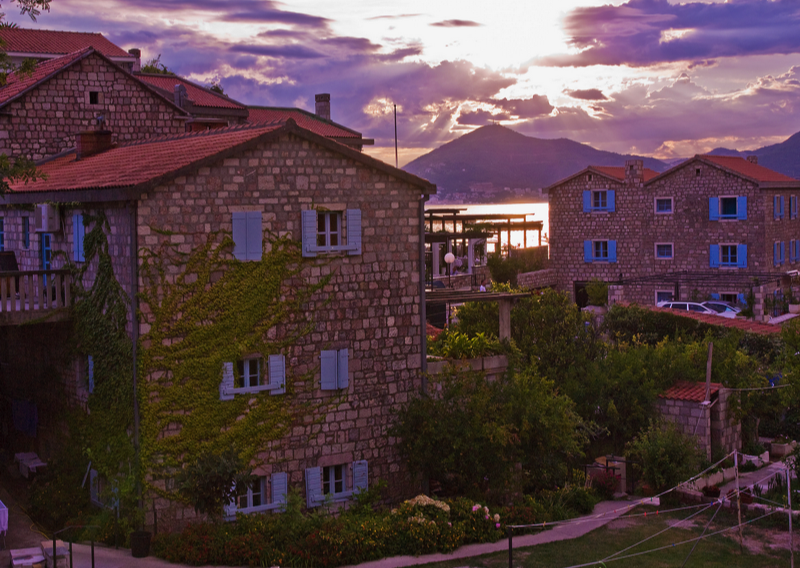
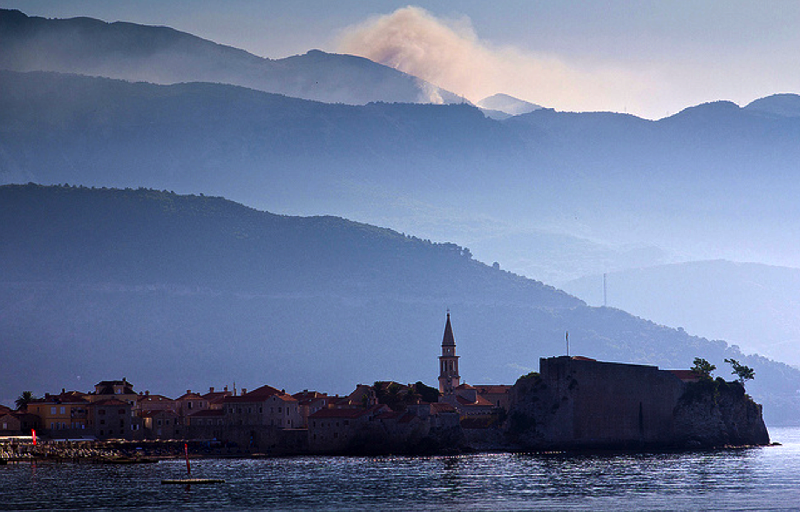
Herceg Novi
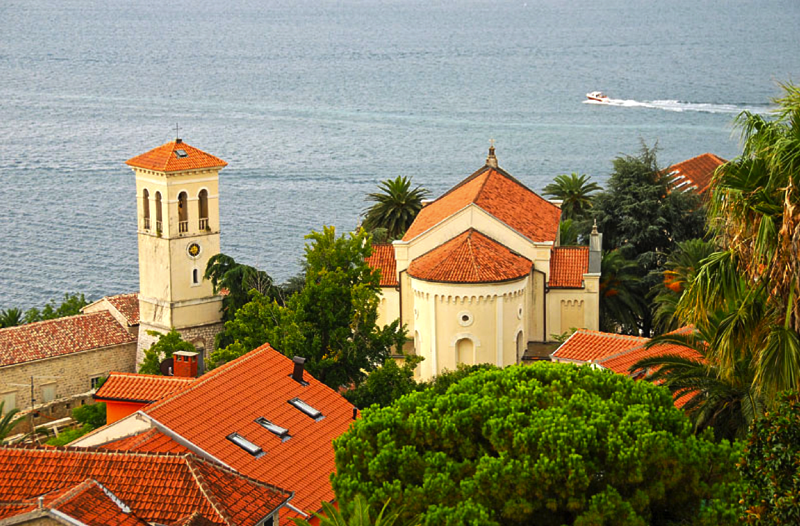
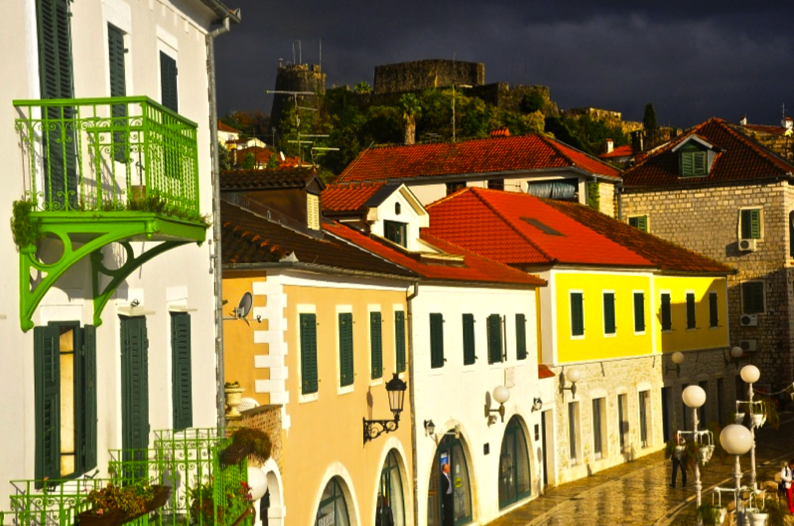
Herceg Novi was founded more than 1500 years ago and still has numerous old relics and monuments of medieval architecture.
The most famous tourist attractions are castle Forte Mare built by the Bosnian king Tvrtko I in 1382, a clock tower built by Austrians in 19th century, the Kanli tower built by Turks in 16th century, and the Serbian church St. Michael Archangel in central Belavista Square.
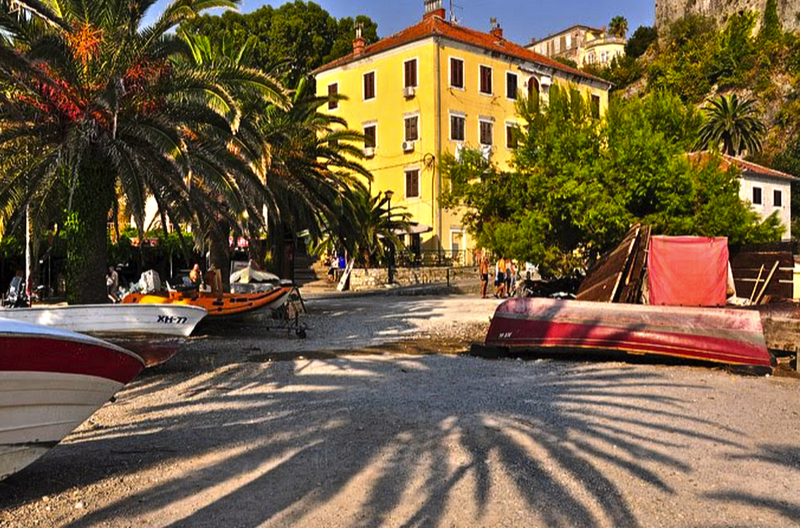
Full of thick greenery, Herceg Novi has many kinds of tropical flowers. Towards the end of January the town becomes scented with the subtle fragrance of yellow and green mimosas and the festival of Praznik Mimosa is dedicated to this flower.
Herceg Novi is well known as a spa and health centre because of the abundance of healing sea mud and mineral water springs.
It has many flights of stairs that take you from the sea up into the town and It is called a ´city of the sun´, thanks to the large number of sunny days all year round in Herceg Novi.
Herceg Novi was founded more than 1500 years ago and still has numerous old relics and monuments of medieval architecture.
The most famous tourist attractions are castle Forte Mare built by the Bosnian king Tvrtko I in 1382, a clock tower built by Austrians in 19th century, the Kanli tower built by Turks in 16th century, and the Serbian church St. Michael Archangel in central Belavista Square.
Full of thick greenery, Herceg Novi has many kinds of tropical flowers. Towards the end of January the town becomes scented with the subtle fragrance of yellow and green mimosas and the festival of Praznik Mimosa is dedicated to this flower.
Herceg Novi is well known as a spa and health centre because of the abundance of healing sea mud and mineral water springs.
It has many flights of stairs that take you from the sea up into the town and It is called a ´city of the sun´, thanks to the large number of sunny days all year round in Herceg Novi.
Kotor
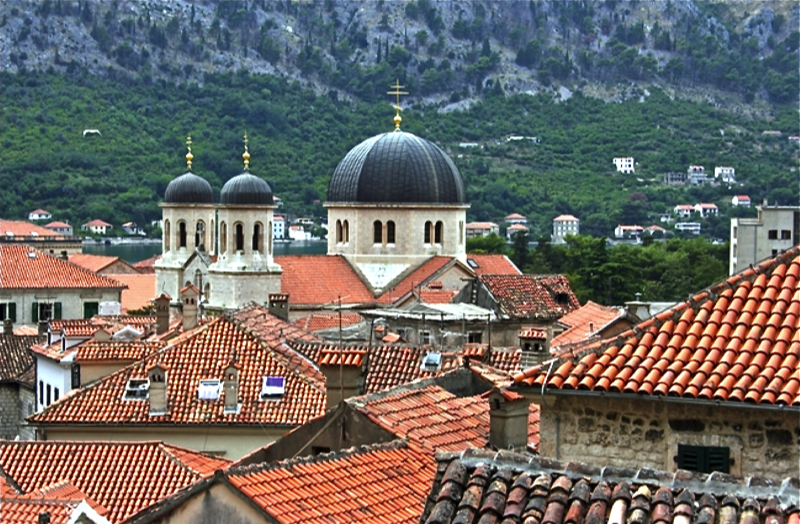
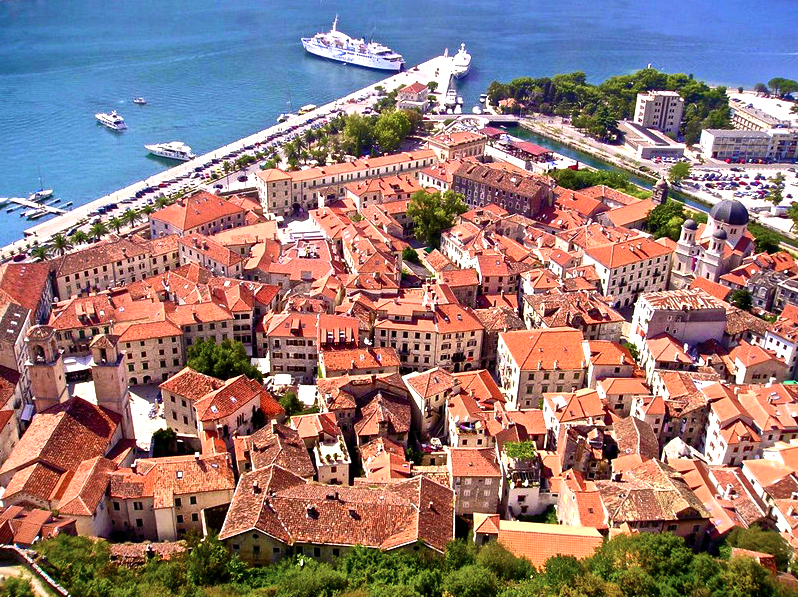
Kotor is located in the most secluded part of the Gulf of Kotor that is one of the only indented parts of the Adriatic Sea and is referred to as the southern-most fjord in Europe. With overhanging limestone cliffs Kotor is one of the Mediterranean's great landscapes.
Kotor was first mentioned in 168 BC when it was part of the Roman province of Dalmatia. It was fortified in the Middle Ages and at that time this natural harbour was an important artistic and commercial centre. Between 1420 and 1797 Kotor and it's surroundings were under the rule of the Republic of Venice who build Kotor's impressive surrounding wall. The Venetian influence remains dominant among the present architectural influences.
Down the centuries Kotor was invaded by many different powerful nations including The Ottoman Empire, French Empire and Napoleonic Kingdom of Italy. In 1979 Kotor was badly damaged in a major earthquake but has been painstakingly restored by the Montenegrin people.
Kotor is located in the most secluded part of the Gulf of Kotor that is one of the only indented parts of the Adriatic Sea and is referred to as the southern-most fjord in Europe. With overhanging limestone cliffs Kotor is one of the Mediterranean's great landscapes.
Kotor was first mentioned in 168 BC when it was part of the Roman province of Dalmatia. It was fortified in the Middle Ages and at that time this natural harbour was an important artistic and commercial centre. Between 1420 and 1797 Kotor and it's surroundings were under the rule of the Republic of Venice who build Kotor's impressive surrounding wall. The Venetian influence remains dominant among the present architectural influences.
Down the centuries Kotor was invaded by many different powerful nations including The Ottoman Empire, French Empire and Napoleonic Kingdom of Italy. In 1979 Kotor was badly damaged in a major earthquake but has been painstakingly restored by the Montenegrin people.
Perast
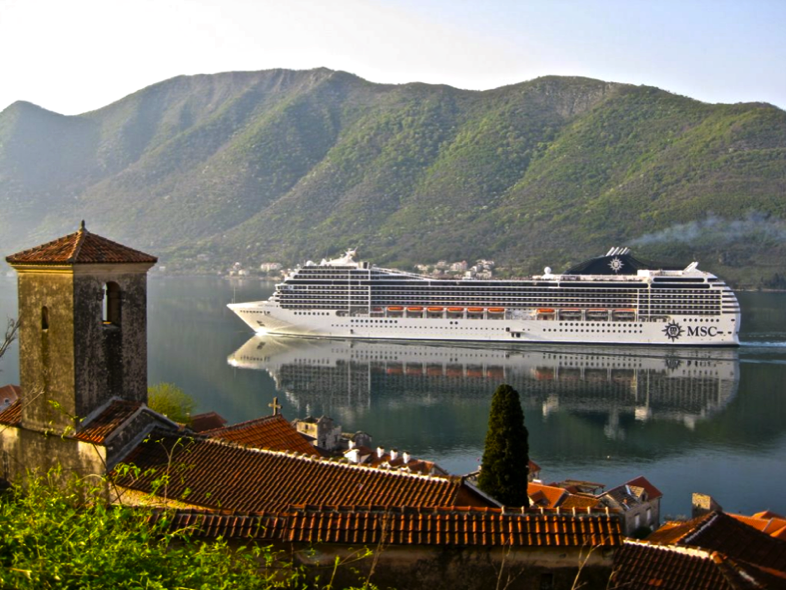
Perast is an old town situated a few kilometers from Kotor, on the land that separates the bay of Risan from the bay of Kotor (two smaller bays within what is called the Boka Kotorska) and overlooks the Verige strait, the narrowest part of Boka. The average yearly temperature in Perast is 18.3°C, and the number of sunny days is 240 per year.
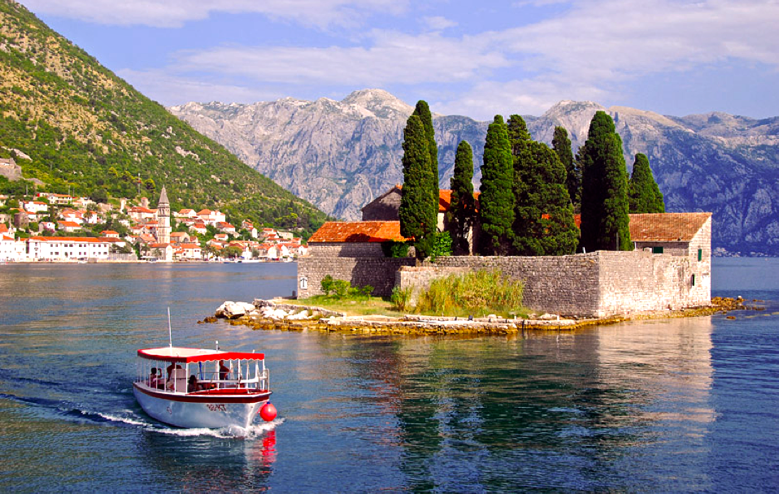
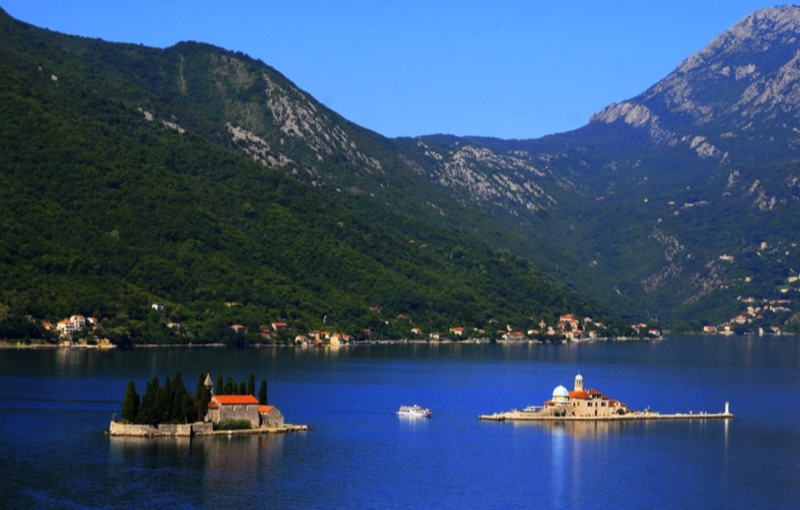
Near Perast there are two small islands, one called St. George Island, the other Our Lady of the Rock, and they both have a picturesque chapel. Our Lady of the Rock is particularly interesting as it is the only artificially built island in the Adriatic, with an area of 3,030 m². It was built on a rock (Škrpjel) after two venetian sailors from Perast found a picture of the Virgin Mary on it in 1452.
Venice owned the city between 1420 and 1797. The city's sixteen Baroque palaces were mostly built in this period, as were its seventeen Catholic churches and two Orthodox churches. The old city does not have a defensive wall, but instead it has nine defensive towers, the most important of which is the tower of the Holy Cross. The Venetian navy built these in the 15th and 16th centuries along with the two islands off Perast.
Perast was at its peak in the 18th century under the Venetian Republic, when it had as many as four active shipyards, a fleet of around one hundred ships, and 1,643 residents. At that time the most beautiful buildings arose in this fortified town. Many ornate baroque palaces and magnificent dwelling houses decorated the town of Perast, full of typical Venetian architecture.
The population has since decreased to 430 in 1910 and around 360 today. The fleet was dissolved by the rise of the steam engine. From 1941 to 1943 during World War II, after Benito Mussolini had annexed the territories around Kotor to the Kingdom of Italy, the area was part of the Italian Governorship of Dalmatia and was called "Provincia di Cattaro". After 1945, Perast was restored to Yugoslavia, and it has been part of Montenegro since its independence in 2006.
Perast is an old town situated a few kilometers from Kotor, on the land that separates the bay of Risan from the bay of Kotor (two smaller bays within what is called the Boka Kotorska) and overlooks the Verige strait, the narrowest part of Boka. The average yearly temperature in Perast is 18.3°C, and the number of sunny days is 240 per year.
Near Perast there are two small islands, one called St. George Island, the other Our Lady of the Rock, and they both have a picturesque chapel. Our Lady of the Rock is particularly interesting as it is the only artificially built island in the Adriatic, with an area of 3,030 m². It was built on a rock (Škrpjel) after two venetian sailors from Perast found a picture of the Virgin Mary on it in 1452.
Venice owned the city between 1420 and 1797. The city's sixteen Baroque palaces were mostly built in this period, as were its seventeen Catholic churches and two Orthodox churches. The old city does not have a defensive wall, but instead it has nine defensive towers, the most important of which is the tower of the Holy Cross. The Venetian navy built these in the 15th and 16th centuries along with the two islands off Perast.
Perast was at its peak in the 18th century under the Venetian Republic, when it had as many as four active shipyards, a fleet of around one hundred ships, and 1,643 residents. At that time the most beautiful buildings arose in this fortified town. Many ornate baroque palaces and magnificent dwelling houses decorated the town of Perast, full of typical Venetian architecture.
The population has since decreased to 430 in 1910 and around 360 today. The fleet was dissolved by the rise of the steam engine. From 1941 to 1943 during World War II, after Benito Mussolini had annexed the territories around Kotor to the Kingdom of Italy, the area was part of the Italian Governorship of Dalmatia and was called "Provincia di Cattaro". After 1945, Perast was restored to Yugoslavia, and it has been part of Montenegro since its independence in 2006.
Tivat
Tivat is located in the central part of the Boka Kotorska bay with verdant mountains on one side and the azure blue sea on the other.
In the 3rd century BC the Illyrian queen Teuta, the last of the Lear queens, is thought to have had a summer residence and a garden at the territory we today call Tivat. It is assumed that the town was named after her as in 1326 the first archive documents mention Tivat under the names of Teude. In the Middle Ages the gentry from Kotor built their summer residences and family churches there. Among the best preserved is the Palace Buće-Luković, which is today used as the Cultural centre.
Currently at Tivat, a Canadian businessman called Peter Munk, who founder Barrick Gold, is financing (with the help of Lord Rothchild and son Nathan, LVMH Chairman Bernard Arnault and oligarch Oleg Deripaska) and transforming a decommissioned naval base into a world-class destination called Porto Montenegro.
The British architects practice who is designing this project is ReardonSmith who has been commissioned to design private residences and a luxury 5 star resort hotel called Regent Porto Montenegro. The beautiful Adriatic architecture and coastline have been the inspiration for the design of this development.
Tivat is located in the central part of the Boka Kotorska bay with verdant mountains on one side and the azure blue sea on the other.
In the 3rd century BC the Illyrian queen Teuta, the last of the Lear queens, is thought to have had a summer residence and a garden at the territory we today call Tivat. It is assumed that the town was named after her as in 1326 the first archive documents mention Tivat under the names of Teude. In the Middle Ages the gentry from Kotor built their summer residences and family churches there. Among the best preserved is the Palace Buće-Luković, which is today used as the Cultural centre.
Currently at Tivat, a Canadian businessman called Peter Munk, who founder Barrick Gold, is financing (with the help of Lord Rothchild and son Nathan, LVMH Chairman Bernard Arnault and oligarch Oleg Deripaska) and transforming a decommissioned naval base into a world-class destination called Porto Montenegro.
The British architects practice who is designing this project is ReardonSmith who has been commissioned to design private residences and a luxury 5 star resort hotel called Regent Porto Montenegro. The beautiful Adriatic architecture and coastline have been the inspiration for the design of this development.
Ulcinj
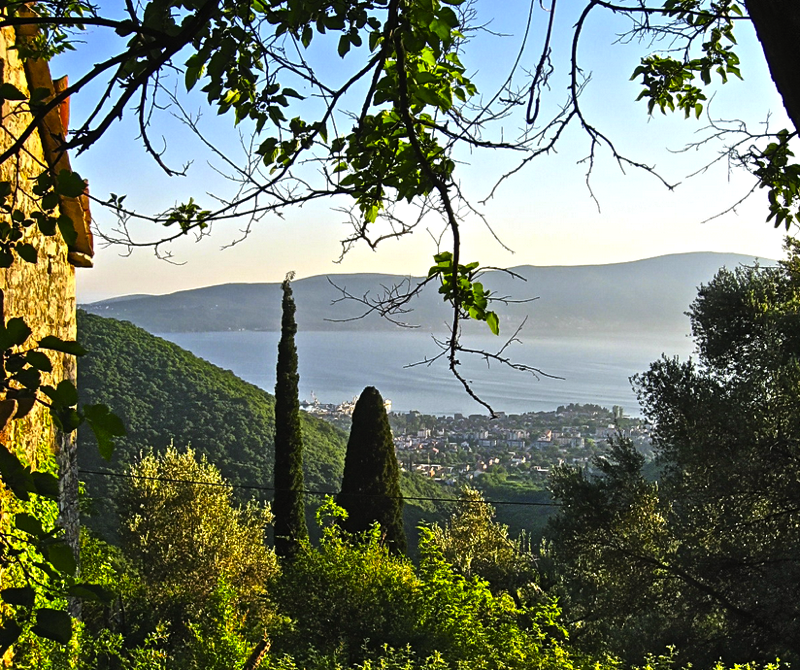
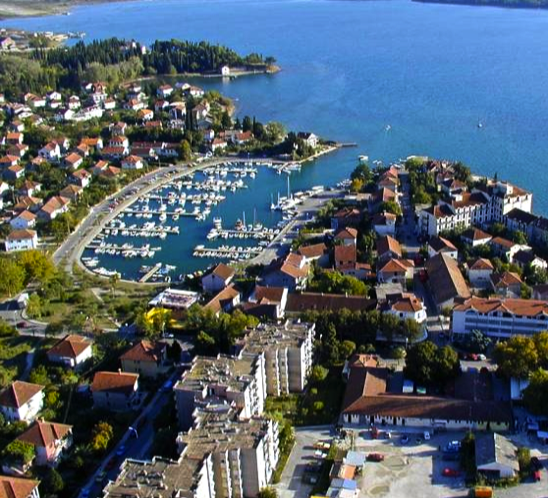
Ulcinj is the southernmost city of the Montenegrin coast. With its natural potential Ulcinj is great place to visit. It has the longest beach on the Adriatic sea Velika Plaza, which is 13 km long.
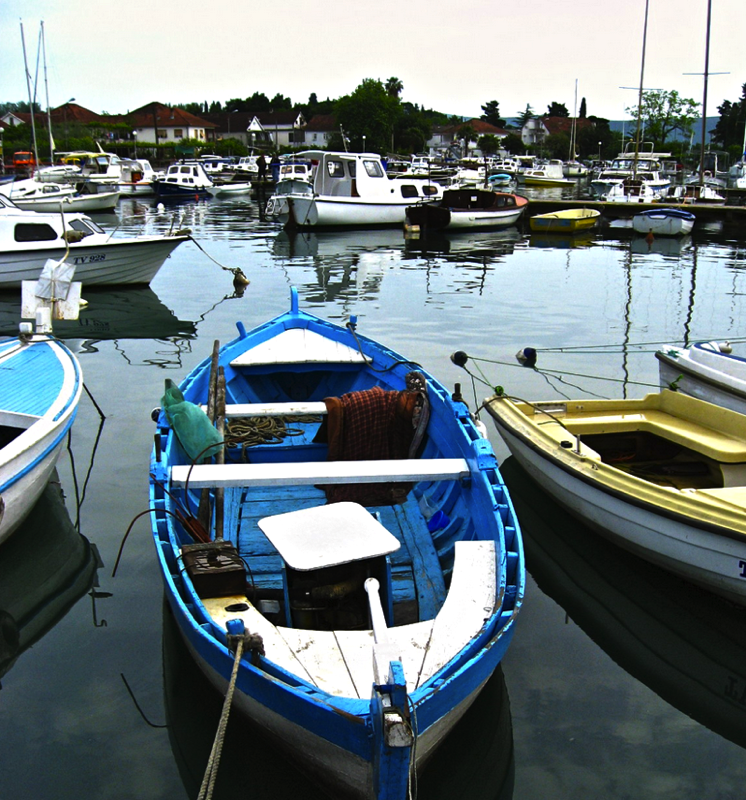
There is a unique river island with marvellous sandy beaches called Ada Bojana where the fishermen use very complex nets. Valdanos is a bay with a coastline covered in very old olive trees. The old city of Ulcinj has been completely reconstructed.
Ulcinj is the southernmost city of the Montenegrin coast. With its natural potential Ulcinj is great place to visit. It has the longest beach on the Adriatic sea Velika Plaza, which is 13 km long.
There is a unique river island with marvellous sandy beaches called Ada Bojana where the fishermen use very complex nets. Valdanos is a bay with a coastline covered in very old olive trees. The old city of Ulcinj has been completely reconstructed.