PROPERTY ON LUSTICA


Luštica Peninsula
Luštica has an area of 47 km² and stretches 13 km in length. It was properly connected to the rest of the mainland in the 1970's, when a paved road was built by the military.
It is arguably one of the loveliest and most unspoilt parts of the Montenegrin coast, still managing to retain the essence of unspoiled natural beauty, simplicity, and the tranquillity of how things used to be.
The warm Mediterranean climate supports a rich, dense vegetation, with terraces of olive groves interspersed with pine forests, while pomegranate, strawberry, and fig trees are also grown in abundance.
Its rocky and sandy shores are home to dozens of charming small beaches and coves.
I have seen, and at night heard, jackals calling to one another, along with the songs of nightingale and the calls of scops owls. Tortoises can often be spotted slowly crossing the narrow, winding roads, while mongoose dart about and wild boar roam deep within the thick vegetation.
Luštica has an area of 47 km² and stretches 13 km in length. It was properly connected to the rest of the mainland in the 1970's, when a paved road was built by the military.
It is arguably one of the loveliest and most unspoilt parts of the Montenegrin coast, still managing to retain the essence of unspoiled natural beauty, simplicity, and the tranquillity of how things used to be.
The warm Mediterranean climate supports a rich, dense vegetation, with terraces of olive groves interspersed with pine forests, while pomegranate, strawberry, and fig trees are also grown in abundance.
Its rocky and sandy shores are home to dozens of charming small beaches and coves.
I have seen, and at night heard, jackals calling to one another, along with the songs of nightingale and the calls of scops owls. Tortoises can often be spotted slowly crossing the narrow, winding roads, while mongoose dart about and wild boar roam deep within the thick vegetation.


Milovići Property Purchase
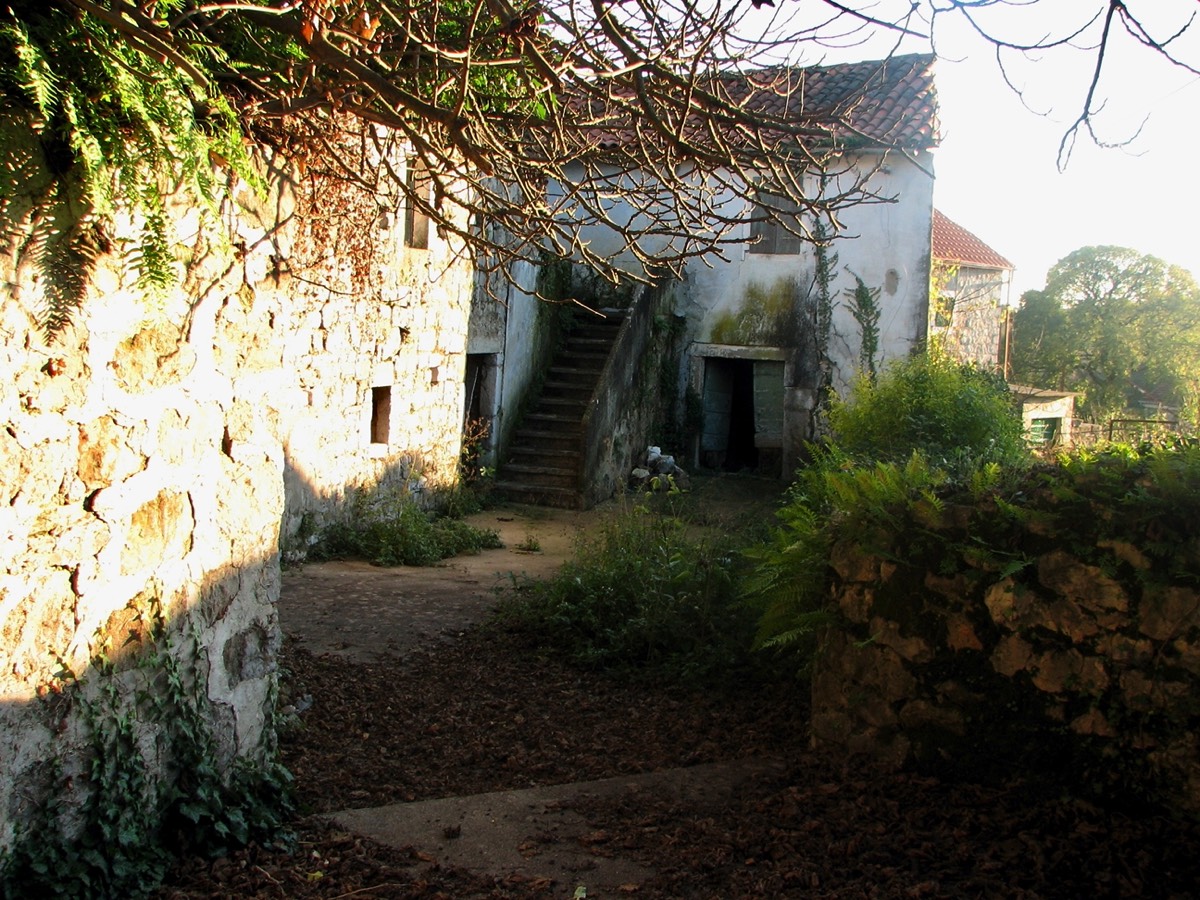
In January 2007, I decided I was going to buy one of the two old, ruined properties I had viewed and liked so much on my trip to Montenegro the previous November.
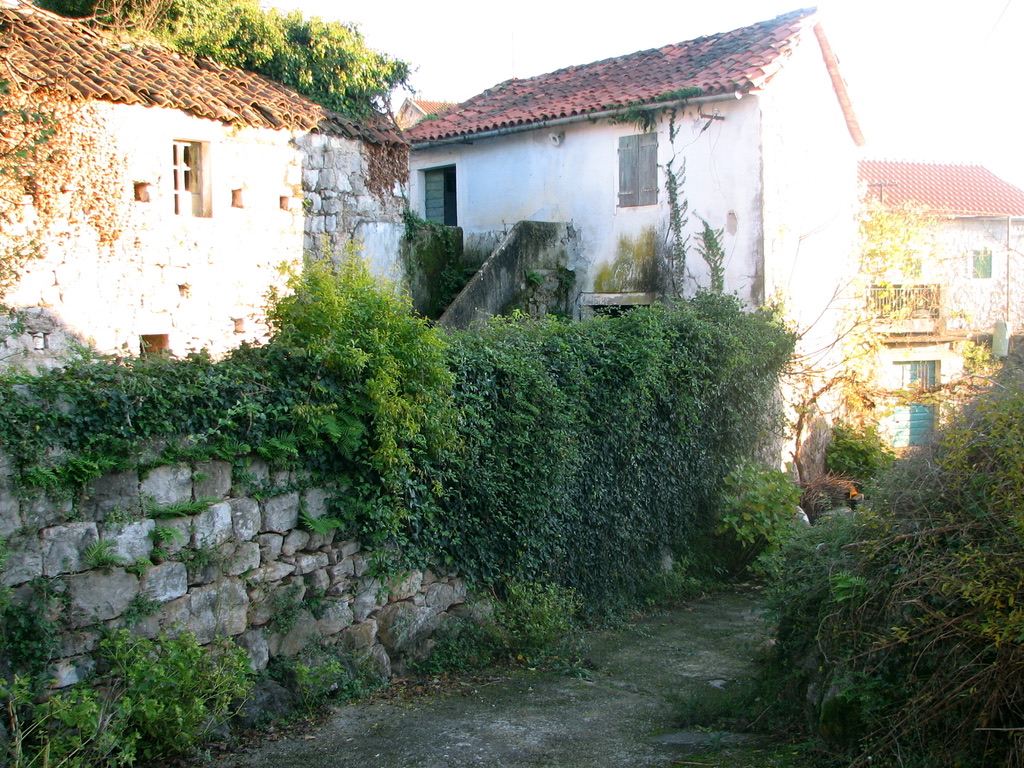
I had no desire to be one of those foreign buyers who want their large houses separated from the local community. I was drawn to the partially abandoned, very old stone villas that were still attached to the newer, inhabited parts of the villages.
That way, I could still be part of the local community, which is exactly why I bought two ruined villas in a village called Milovići, on the Luštica Peninsular in the Municipality of Tivat.
After I completed the purchase of these ruins, I thought the best course of action was to wait a while, possible a few years or more, to see whether infrastructure on Luštica would become more viable, making the project less complicated and allowing the work to proceed more efficiently.
In January 2007, I decided I was going to buy one of the two old, ruined properties I had viewed and liked so much on my trip to Montenegro the previous November.
I had no desire to be one of those foreign buyers who want their large houses separated from the local community. I was drawn to the partially abandoned, very old stone villas that were still attached to the newer, inhabited parts of the villages.
That way, I could still be part of the local community, which is exactly why I bought two ruined villas in a village called Milovići, on the Luštica Peninsular in the Municipality of Tivat.
After I completed the purchase of these ruins, I thought the best course of action was to wait a while, possible a few years or more, to see whether infrastructure on Luštica would become more viable, making the project less complicated and allowing the work to proceed more efficiently.
Tivat's Planning Department
I waited four years before deciding to begin the process of obtaining planning approval for this Milovići project. In April 2011, after being recommended a local architect who would submit my drawings to Tivat Municipality's planning department, we began the planning process.
However, things did not go as smoothly as expected, and it took years for him to supposedly come close to completing this project.
Then, in April 2015, I traveled to Montenegro to meet a prospective builder. Fortunately, this new builder turned out to be exactly what I was looking for. After years of unsuccessfully trying to find the right person for the job, I was relieved to meet someone who spoke perfect English and was very Intelligent and good-humoured.
I waited four years before deciding to begin the process of obtaining planning approval for this Milovići project. In April 2011, after being recommended a local architect who would submit my drawings to Tivat Municipality's planning department, we began the planning process.
However, things did not go as smoothly as expected, and it took years for him to supposedly come close to completing this project.
Then, in April 2015, I traveled to Montenegro to meet a prospective builder. Fortunately, this new builder turned out to be exactly what I was looking for. After years of unsuccessfully trying to find the right person for the job, I was relieved to meet someone who spoke perfect English and was very Intelligent and good-humoured.


Zabrdje Property Purchase
In June 2015, I traveled to Tivat to meet my architect and supposedly take procession of the completed Milovići building project, but he never turned up for our appointment. Instead, via a crude text message, he directed me to collect the project documents from the home of someone I did not know.
As soon as I saw the project, I knew that my suspicions were correct and that he had not completed it. I therefore immediately contacted my builder, who said that he would deal with the matter from then on.
I was feeling somewhat disillusioned after discovered that my architect had completely ripping me off, costing me a considerable amount of money and handing me a supposedly finished project in which nothing had actually be correctly submitted.
To cheer myself up, I decided to go and view a beautiful property in Zabrdje that I had seen online and had long wanted to visit.
This house was even more beautiful than I could have imagined from the photographs, and I immediately decided to buy it. I therefore felt that every cloud really does have a silver lining.
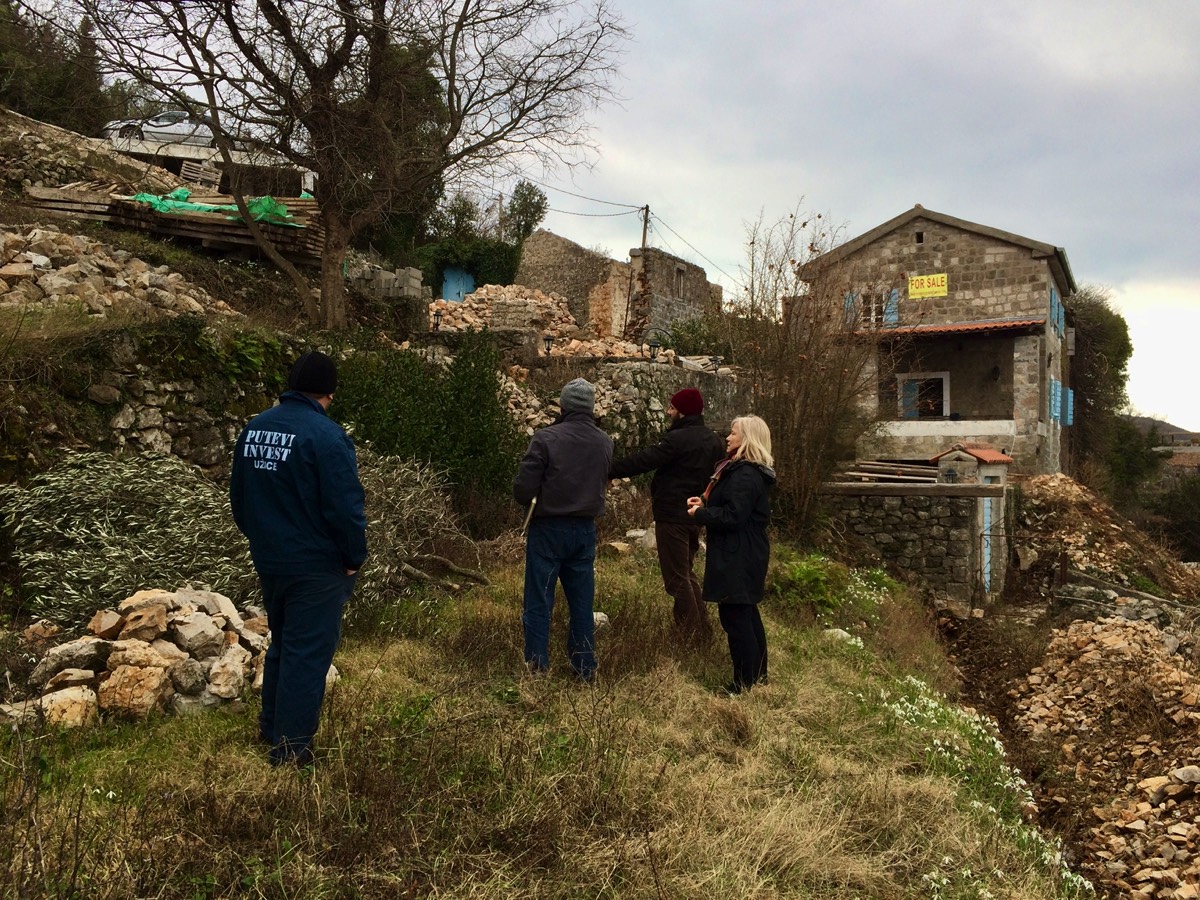
The property consisted of one partially build villa and one completely ruined villa in Zabrdje, on the Luštica Peninsular, within the Municipality of Herceg Novi.
In June 2015, I traveled to Tivat to meet my architect and supposedly take procession of the completed Milovići building project, but he never turned up for our appointment. Instead, via a crude text message, he directed me to collect the project documents from the home of someone I did not know.
As soon as I saw the project, I knew that my suspicions were correct and that he had not completed it. I therefore immediately contacted my builder, who said that he would deal with the matter from then on.
I was feeling somewhat disillusioned after discovered that my architect had completely ripping me off, costing me a considerable amount of money and handing me a supposedly finished project in which nothing had actually be correctly submitted.
To cheer myself up, I decided to go and view a beautiful property in Zabrdje that I had seen online and had long wanted to visit.
This house was even more beautiful than I could have imagined from the photographs, and I immediately decided to buy it. I therefore felt that every cloud really does have a silver lining.
The property consisted of one partially build villa and one completely ruined villa in Zabrdje, on the Luštica Peninsular, within the Municipality of Herceg Novi.


These ruins were located in the very old part of Zabrdje called Mitrovići, which the locals abandoned in 1950's and 1960's, when Josip Broz Tito aimed to transform the country into an industrial power and encouraging people to move to the larger towns and cities.
Some residents continued to use their old homes occasionally for leisure, but after the structural damage caused by the 1979 Montenegro earthquake, that became impossible. These very old traditional villas were built in the 17th century, long before anyone considered buildings to withstand earthquakes.
After Tito's death in 1980, people slowly began returning to the area. The Montenegrins built themselves more modern, earthquake-proof homes right next to the old, damaged stone villages they had abandoned many years earlier.
Some residents continued to use their old homes occasionally for leisure, but after the structural damage caused by the 1979 Montenegro earthquake, that became impossible. These very old traditional villas were built in the 17th century, long before anyone considered buildings to withstand earthquakes.
After Tito's death in 1980, people slowly began returning to the area. The Montenegrins built themselves more modern, earthquake-proof homes right next to the old, damaged stone villages they had abandoned many years earlier.


Milovići Project Starts
In early March 2016, the building work began, as the Milovići project had finally been approved.
At the same time, the Zabrdje project was on its way to being submitted for approval.
In early March 2016, the building work began, as the Milovići project had finally been approved.
At the same time, the Zabrdje project was on its way to being submitted for approval.
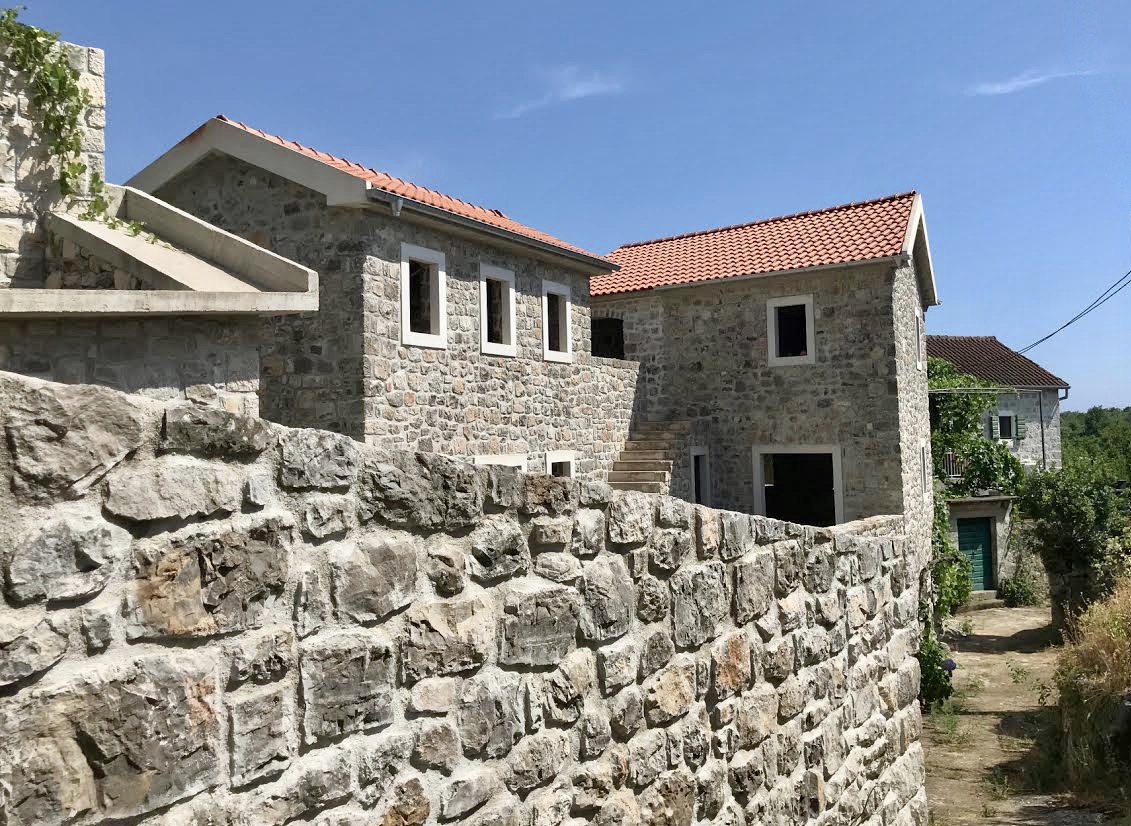
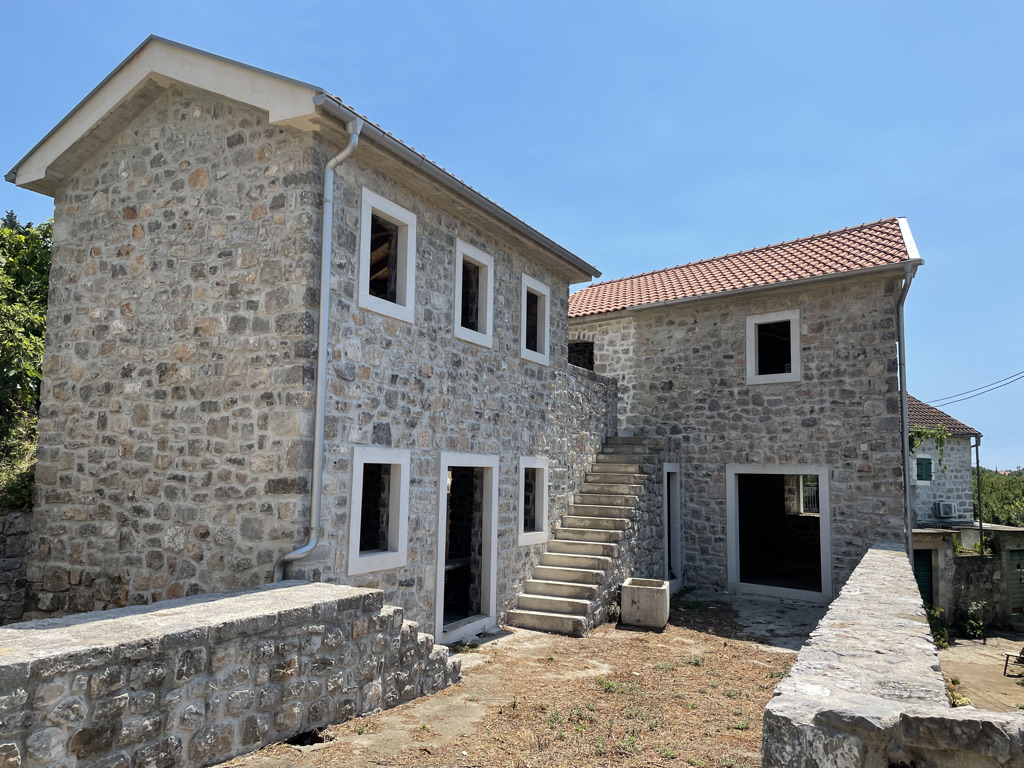
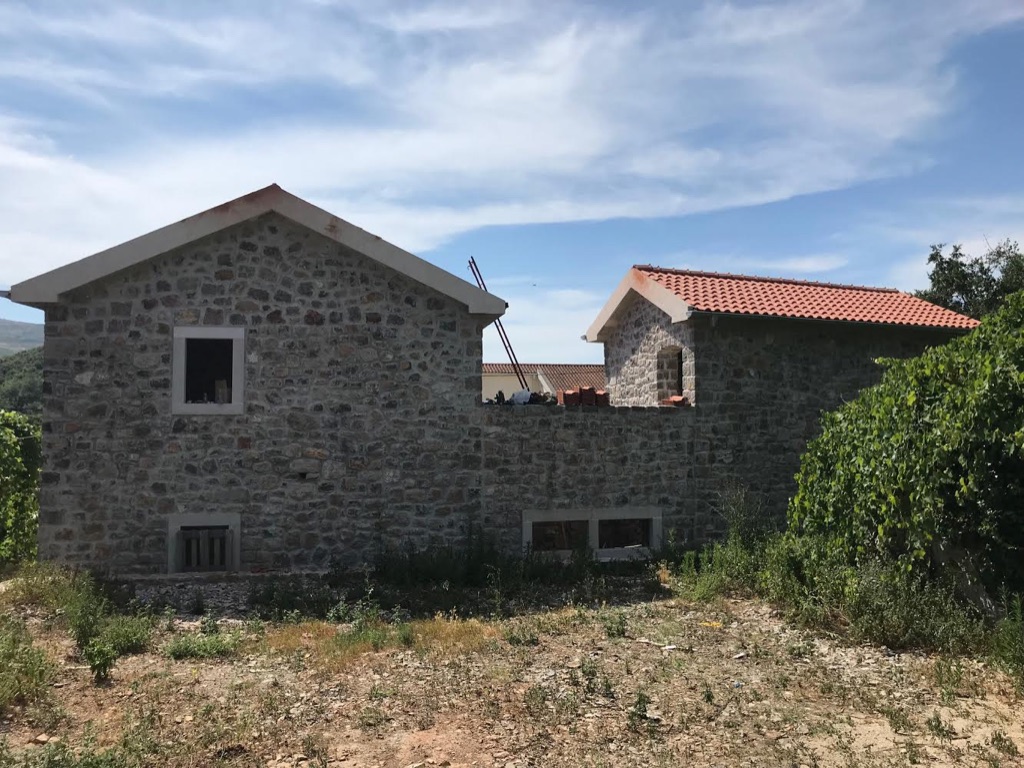
By February 2017, the Milovići building project reached the stage of competition of the stonework, as shown in the photographs above and below.
At last, the Zabrdje project documents were nearing completion, after I had purchased as additional piece of land next door to create a larger garden and parking area, making the overall layout work that much better.
At last, the Zabrdje project documents were nearing completion, after I had purchased as additional piece of land next door to create a larger garden and parking area, making the overall layout work that much better.
Zabrdje Project Starts
Also in February 2017, with all the stonework at my Milovići project now completed, we needed to move our highly skilled stonemasons to Zabrdje to begin work there rather than lose them to another project.
I decided to continue sharing what happened next on my blog rather than duplicate the same content here.
Also in February 2017, with all the stonework at my Milovići project now completed, we needed to move our highly skilled stonemasons to Zabrdje to begin work there rather than lose them to another project.
I decided to continue sharing what happened next on my blog rather than duplicate the same content here.