The Five National Parks
Five National Parks of Montenegro
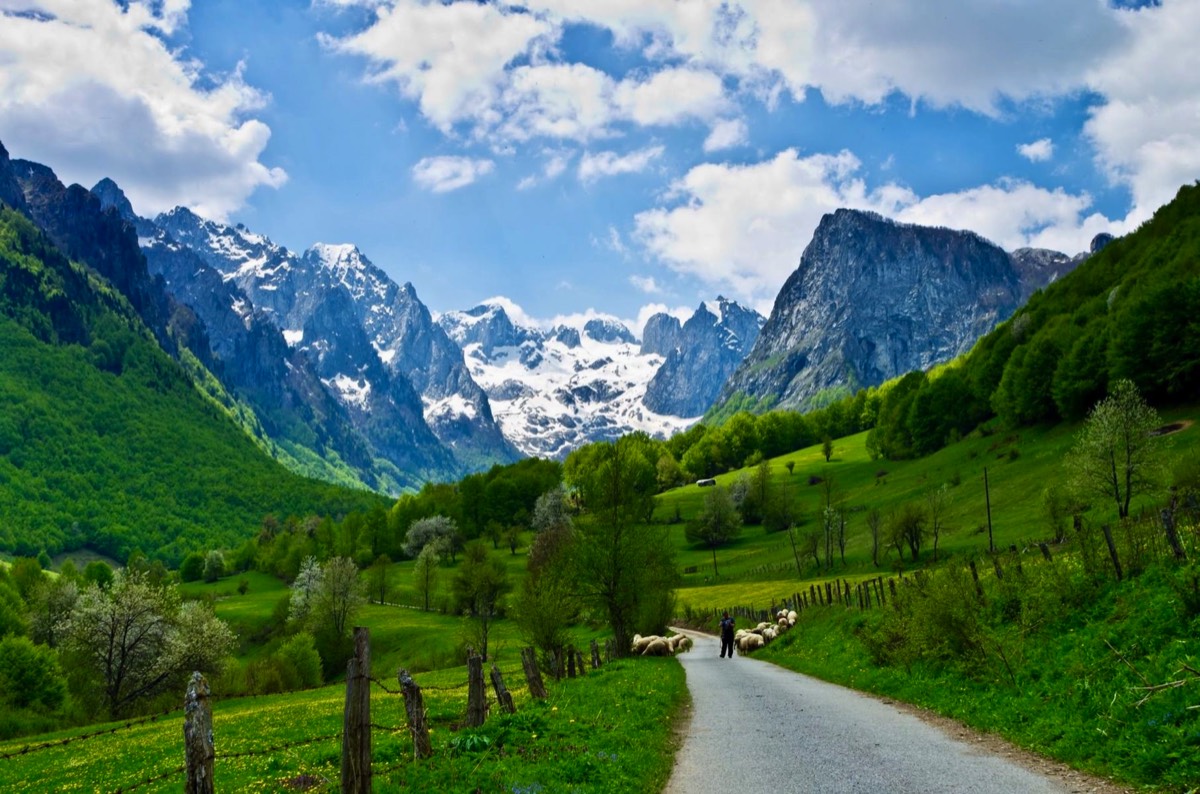
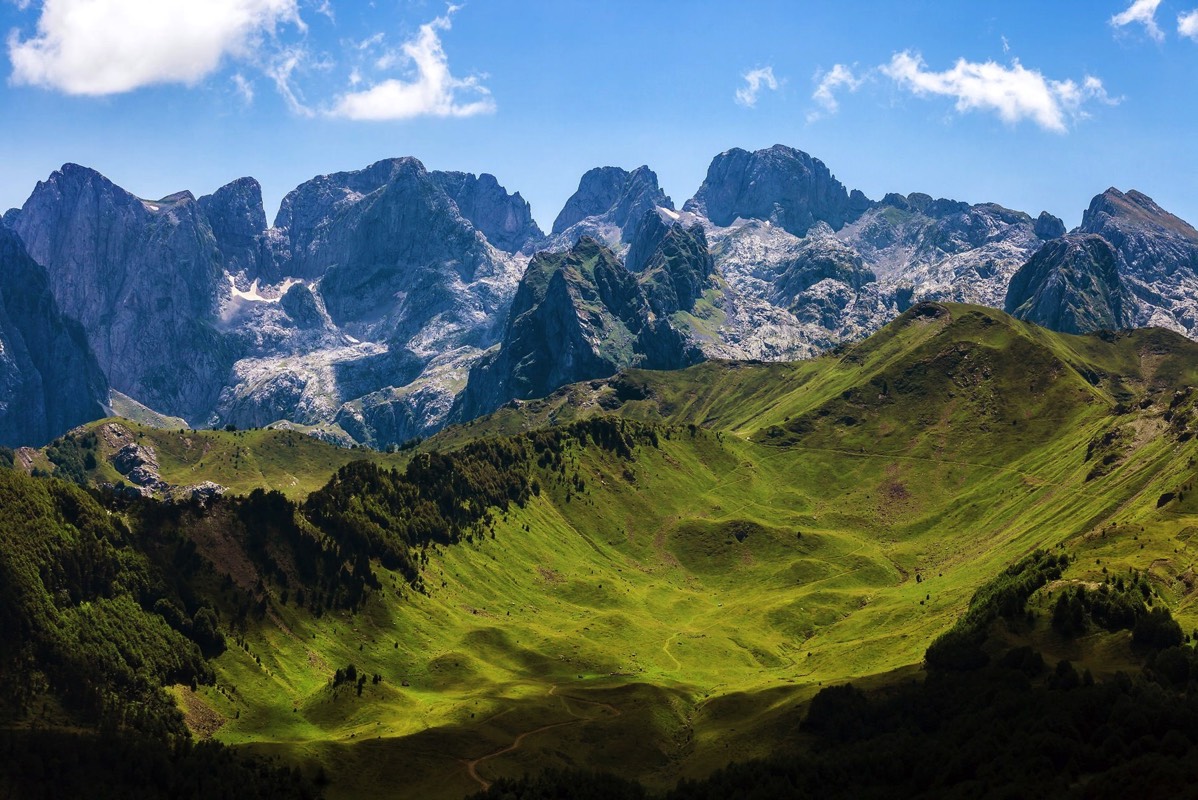
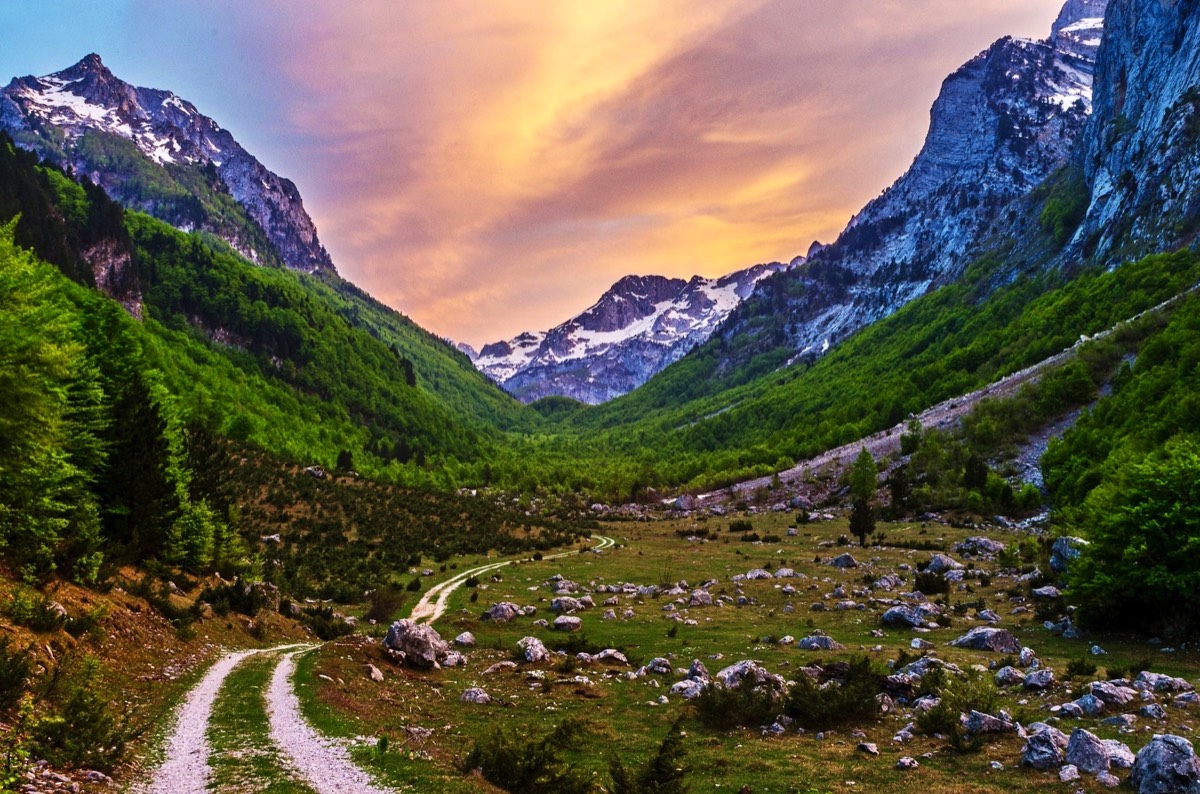
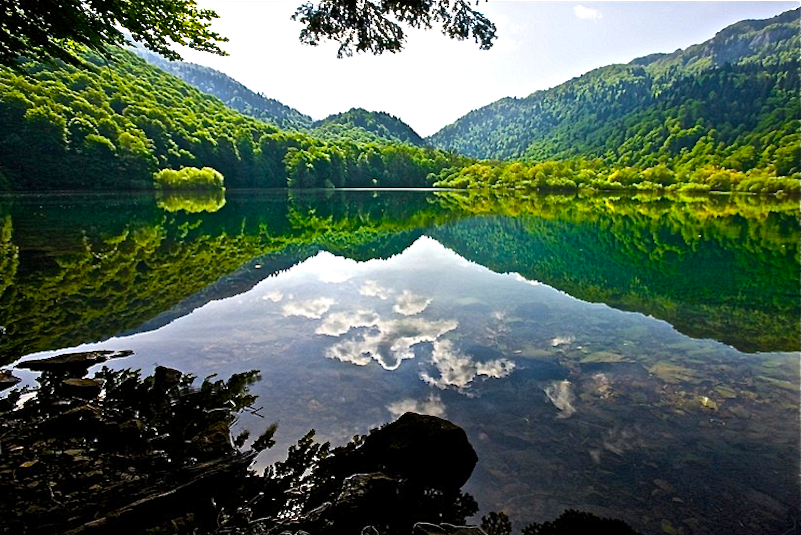
Montenegro is home to five spectacular national parks, each showcasing the country's national beauty. From sweeping green valleys and dramatic landforms to deep canyons and pristine lakes, every park offers something unique and awe-inspiring.
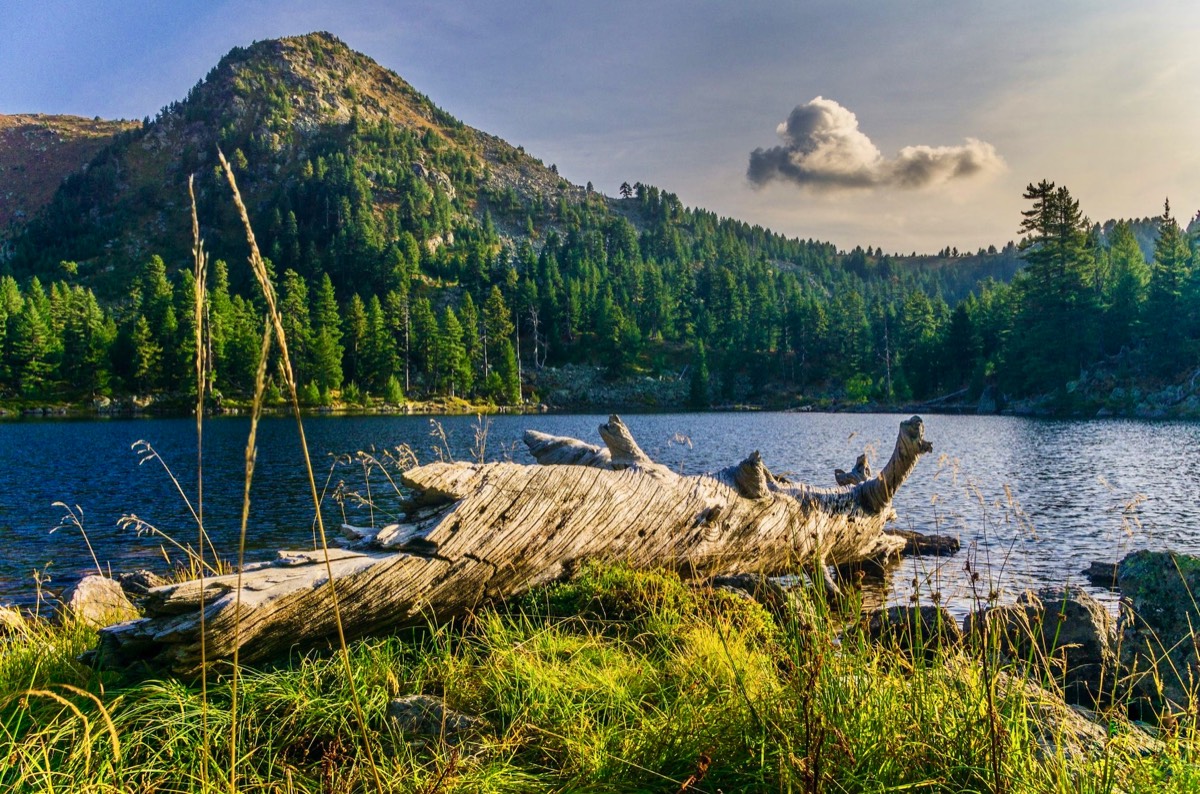
Durmitor and Prokletije boast extraordinary mountain scenery and magnificent glacial lakes. Lovćen offer breathtaking mountain views whilst overlooking the coastal fjords of Kotor. Lake Skadar, the largest lake in southern Europe, is a haven of natural beauty and biodiversity. And Biogradska Gora features one of Europe's last remaining ancient forest, along with serene lakes and enchanting landscapes.
Each park has its own distinct character, making Montenegro a paradise for nature lovers and adventures alike.
Montenegro is home to five spectacular national parks, each showcasing the country's national beauty. From sweeping green valleys and dramatic landforms to deep canyons and pristine lakes, every park offers something unique and awe-inspiring.
Durmitor and Prokletije boast extraordinary mountain scenery and magnificent glacial lakes. Lovćen offer breathtaking mountain views whilst overlooking the coastal fjords of Kotor. Lake Skadar, the largest lake in southern Europe, is a haven of natural beauty and biodiversity. And Biogradska Gora features one of Europe's last remaining ancient forest, along with serene lakes and enchanting landscapes.
Each park has its own distinct character, making Montenegro a paradise for nature lovers and adventures alike.
Biogradska Gora
This national park covers an area 54 km². The woods of Biogradska Gora are truly a natural phenomenon, situated on slopes with vertical rises of up to a 100 meters.
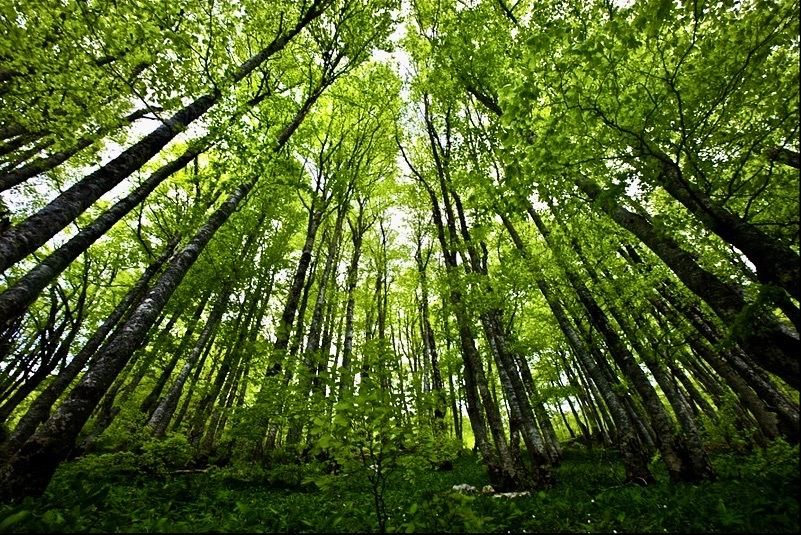
The park's greatest natural wonder is the Biogradska Gora rainforest, which spans 16 km² and is one of the last primeval forests in Europe.
This forest consists of spruce, beech, and fir trees, with many of the trees being over 500 years old and reaching heights of up to 60 meters. It has been under strict preservation control since 1878.
Biogradska Gora hosts 26 plant communities with around 2,000 species and subspecies. Out of more than 150 bird species found here, the golden and grey eagles are particularly impressive.
Among the 37 species of mammals are red and roe deer, brown bear, chamois, otter, large grouse, wild boar, fox and rabbit. The park is also home to over 350 different insect species.
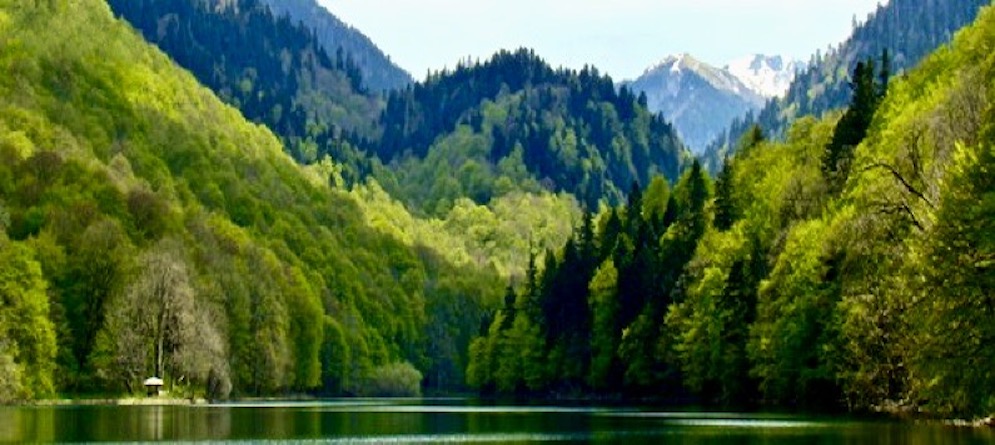
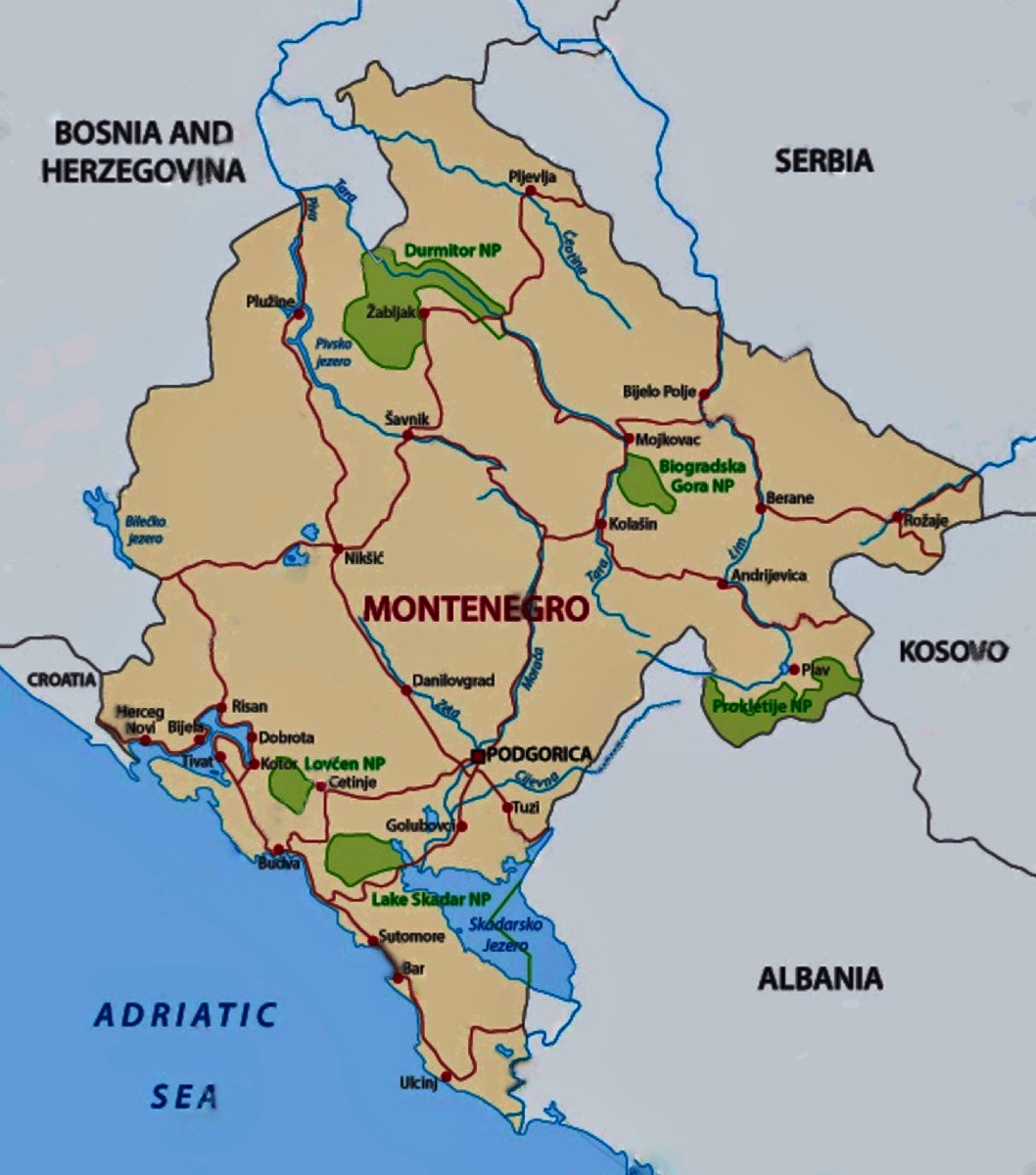
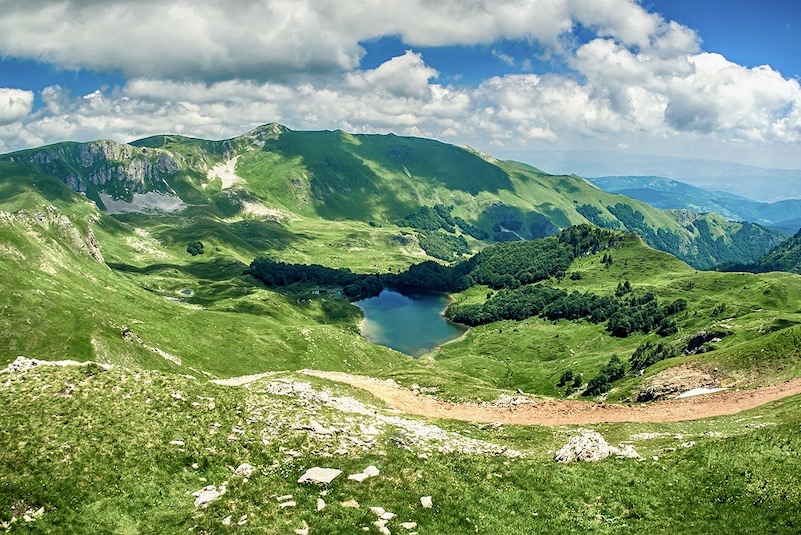
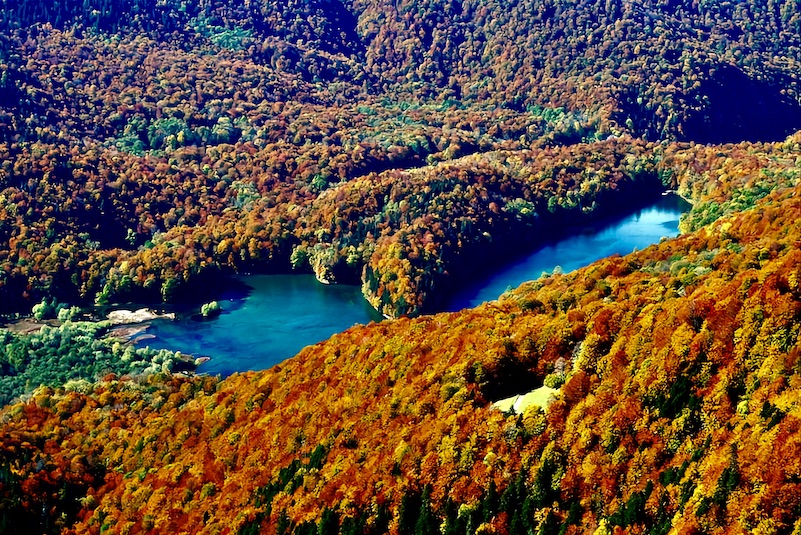
At an altitude of 1,094 meters, nestled in the heart of the rainforest, lies the beautiful serene Biogradsko Lake, the largest and best-known glacial lake in the park.
This national park covers an area 54 km². The woods of Biogradska Gora are truly a natural phenomenon, situated on slopes with vertical rises of up to a 100 meters.
The park's greatest natural wonder is the Biogradska Gora rainforest, which spans 16 km² and is one of the last primeval forests in Europe.
This forest consists of spruce, beech, and fir trees, with many of the trees being over 500 years old and reaching heights of up to 60 meters. It has been under strict preservation control since 1878.
Biogradska Gora hosts 26 plant communities with around 2,000 species and subspecies. Out of more than 150 bird species found here, the golden and grey eagles are particularly impressive.
Among the 37 species of mammals are red and roe deer, brown bear, chamois, otter, large grouse, wild boar, fox and rabbit. The park is also home to over 350 different insect species.
At an altitude of 1,094 meters, nestled in the heart of the rainforest, lies the beautiful serene Biogradsko Lake, the largest and best-known glacial lake in the park.
Durmitor
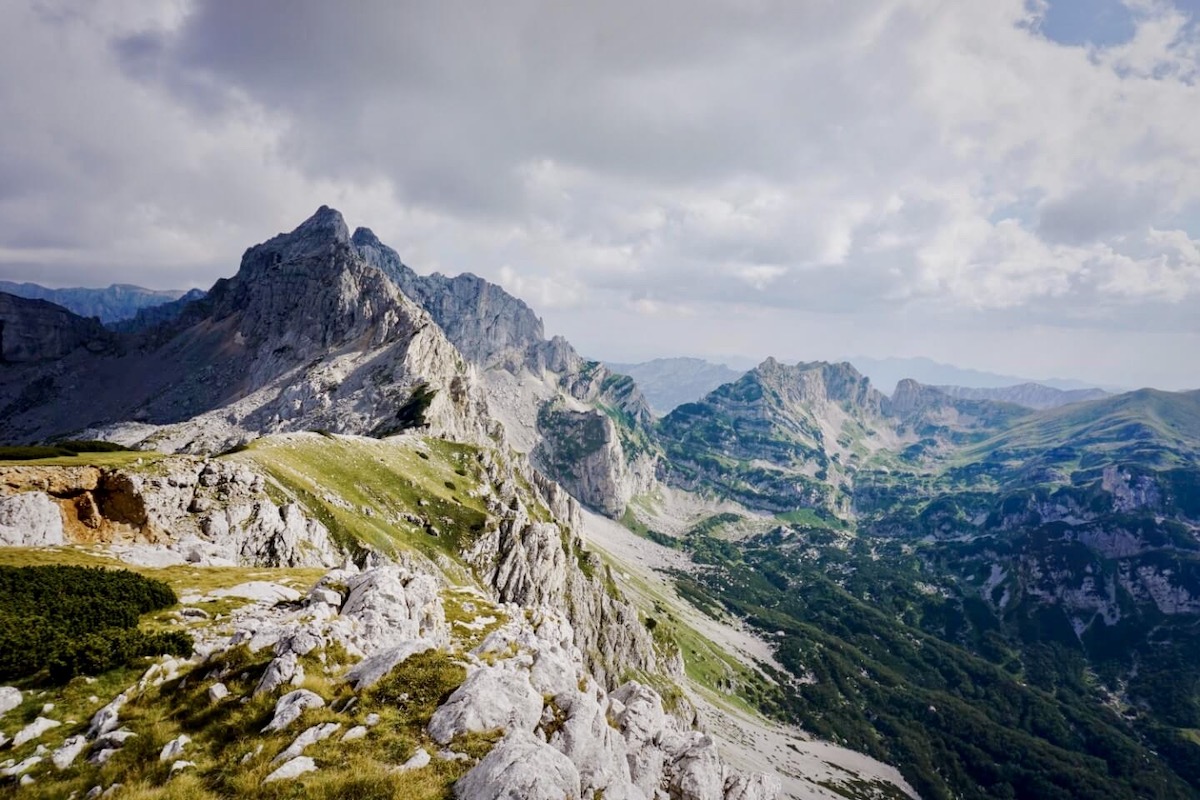
Durmitor is one of the world's great natural treasures and the most famous of Montenegro's national parks. It was designated as a national park in 1952.
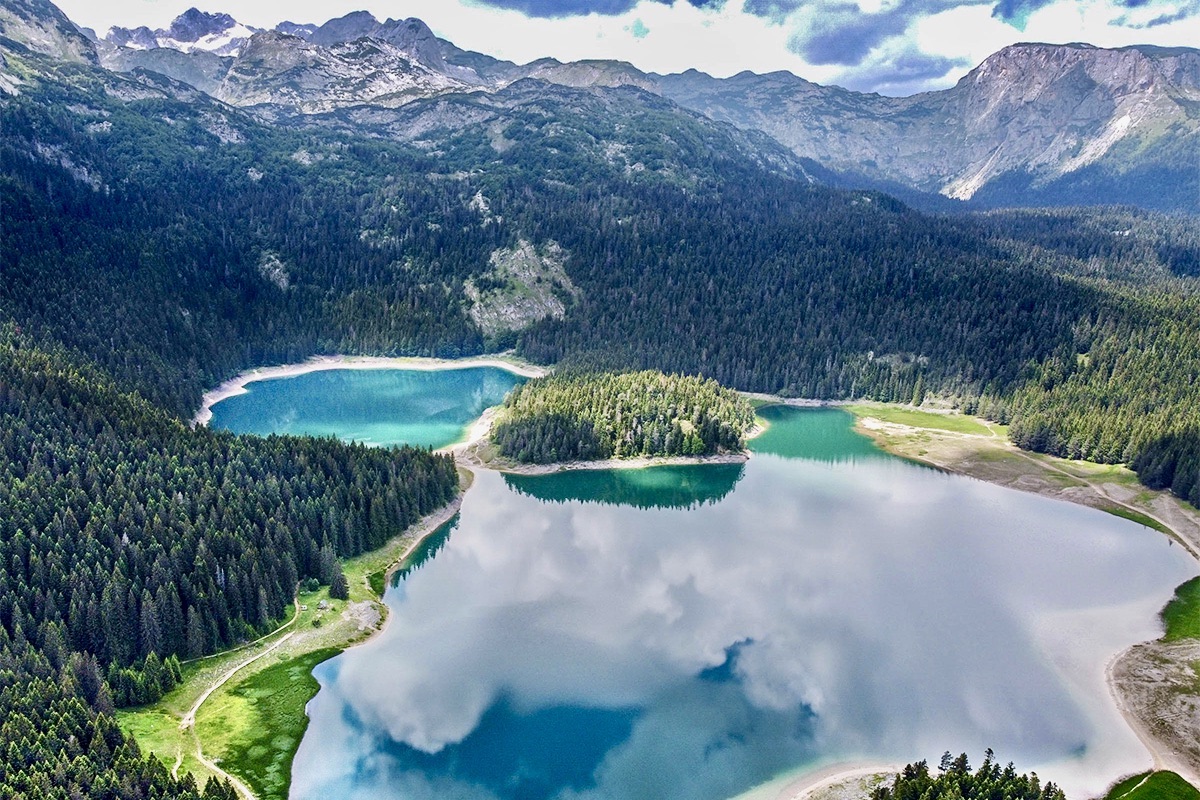
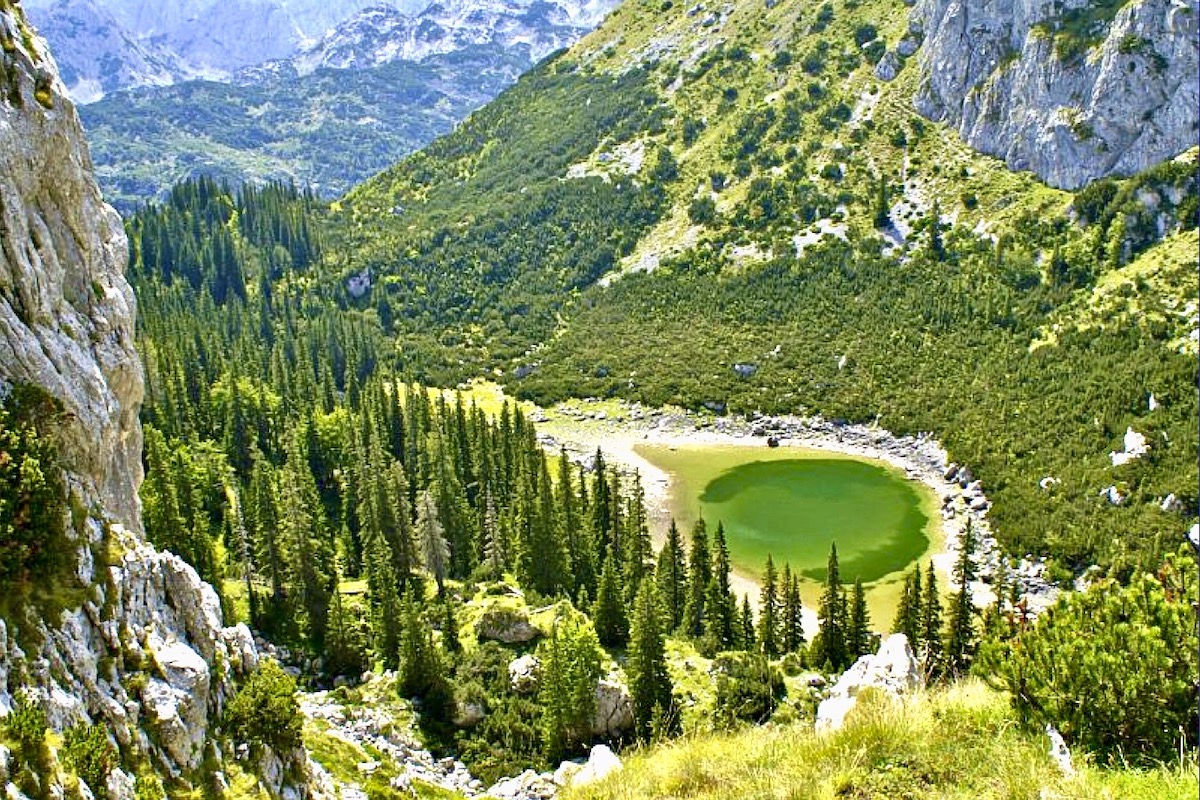
The park features 48 limestone mountain peaks 2,000 metres tall, including the peak Durmitor itself, 13 glacial cirques, and 18 glacial lakes, with the most famous being Crno Jezero, meaning Black Lake.
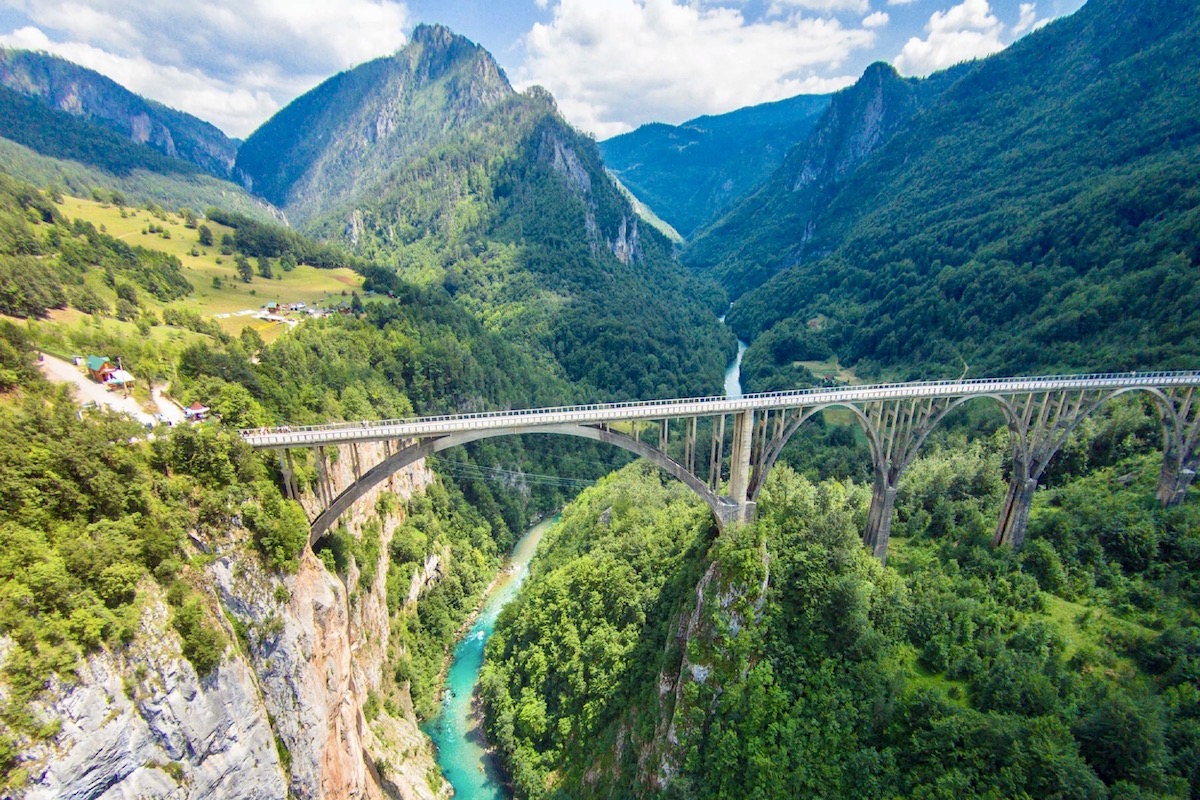
There are three massive river canyons, Tara, Susica and Draga, with the highest part of the canyon plateau being called Komarnica.
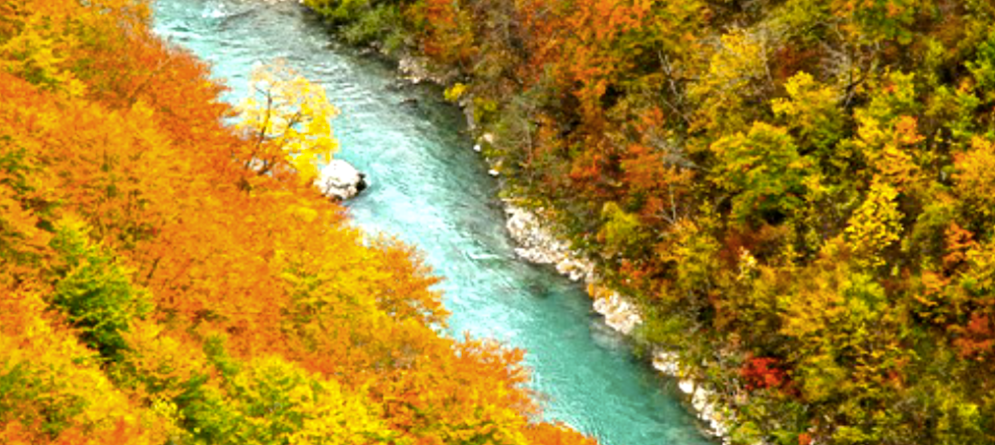
The Tara River Canyon is 80 km long and 1,300 deep, making it the second largest canyon in the world after Grand Canyon in Arizona, USA. Visitors can explore the nearby Piva region, enjoying activities like rafting, hiking, cycling, kayaking, and even zip-lining.
In 1980, the entire Durmitor area was added to the UNESCO World Heritage List due to its stunning landscapes and unique features.
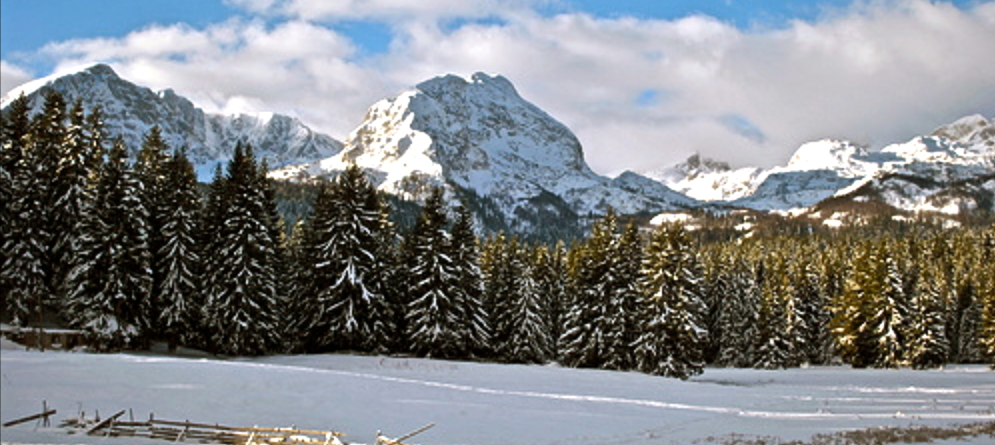
During the winter, Durmitor offers skiing and snowboarding, while in the summer, visitors enjoy mountaineering and rafting on the Tara River.
Historically, in 1943, during World War II, German and Italian forces unsuccessfully pursued Tito's Partisans over Durmitor in the Battle of Sutjeska.
Durmitor is one of the world's great natural treasures and the most famous of Montenegro's national parks. It was designated as a national park in 1952.
The park features 48 limestone mountain peaks 2,000 metres tall, including the peak Durmitor itself, 13 glacial cirques, and 18 glacial lakes, with the most famous being Crno Jezero, meaning Black Lake.
There are three massive river canyons, Tara, Susica and Draga, with the highest part of the canyon plateau being called Komarnica.
The Tara River Canyon is 80 km long and 1,300 deep, making it the second largest canyon in the world after Grand Canyon in Arizona, USA. Visitors can explore the nearby Piva region, enjoying activities like rafting, hiking, cycling, kayaking, and even zip-lining.
In 1980, the entire Durmitor area was added to the UNESCO World Heritage List due to its stunning landscapes and unique features.
During the winter, Durmitor offers skiing and snowboarding, while in the summer, visitors enjoy mountaineering and rafting on the Tara River.
Historically, in 1943, during World War II, German and Italian forces unsuccessfully pursued Tito's Partisans over Durmitor in the Battle of Sutjeska.
Lake Skadar
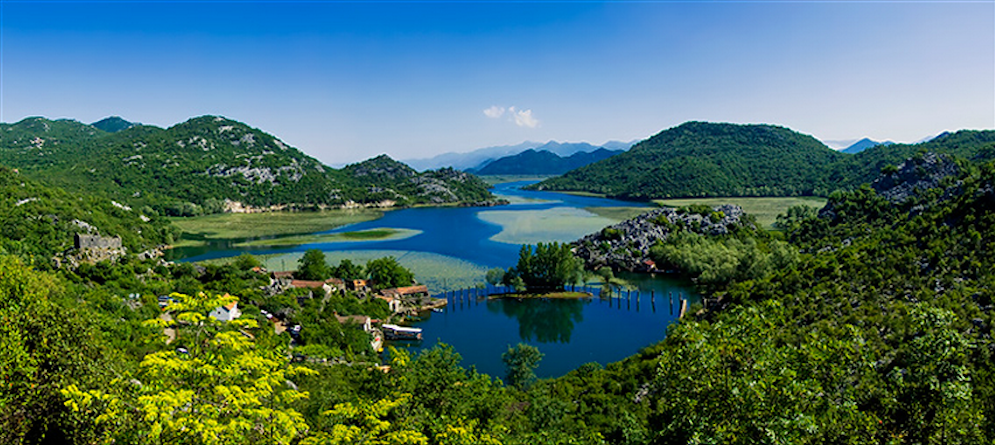
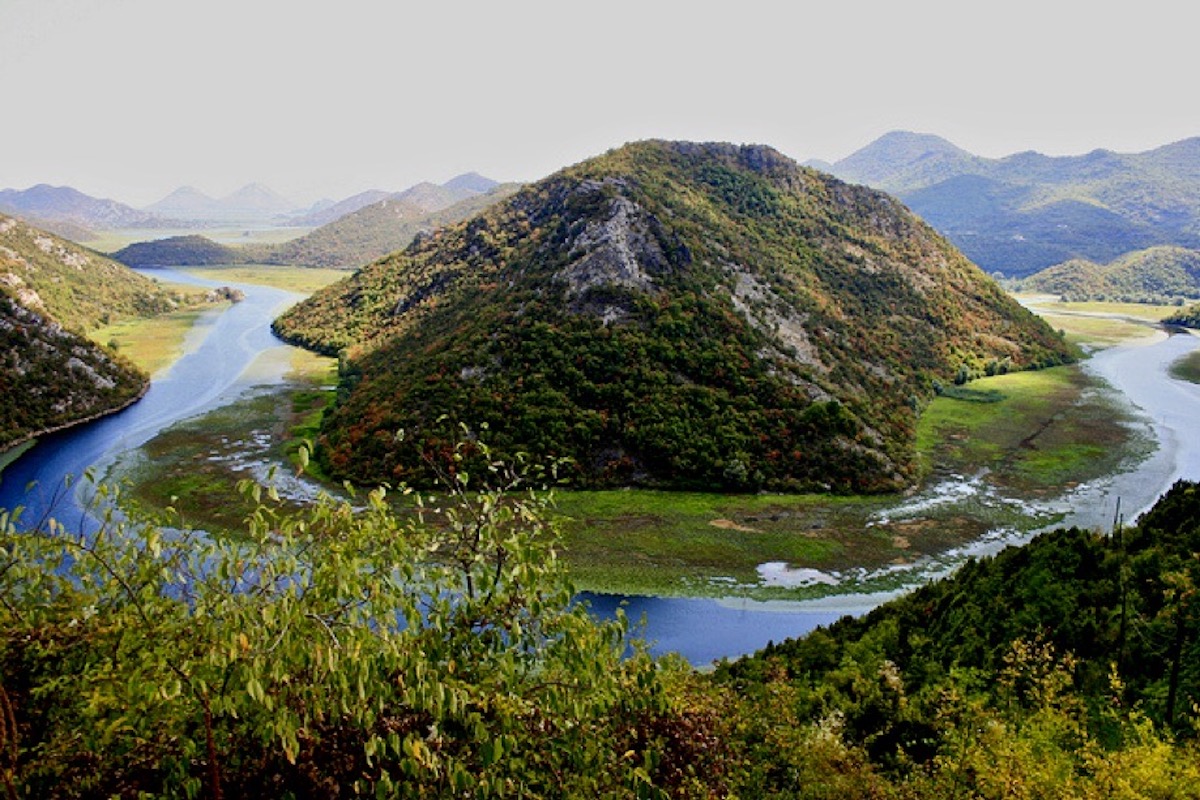
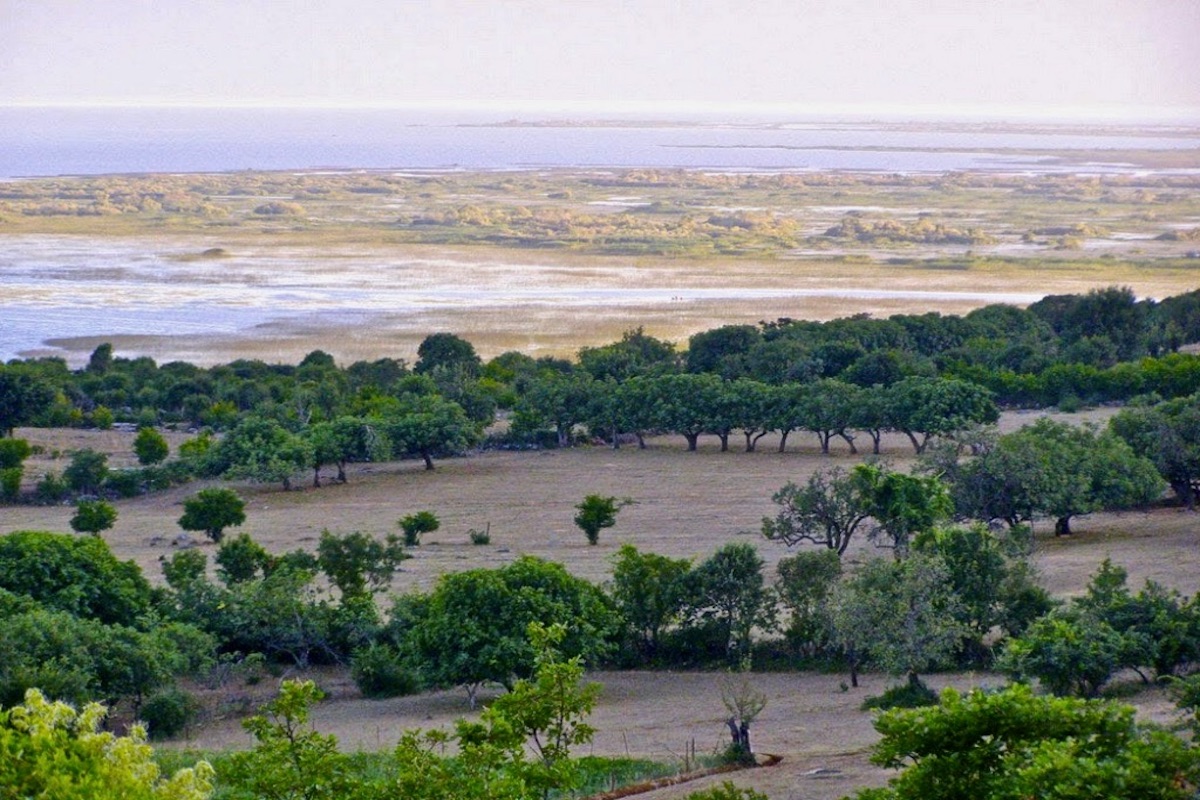
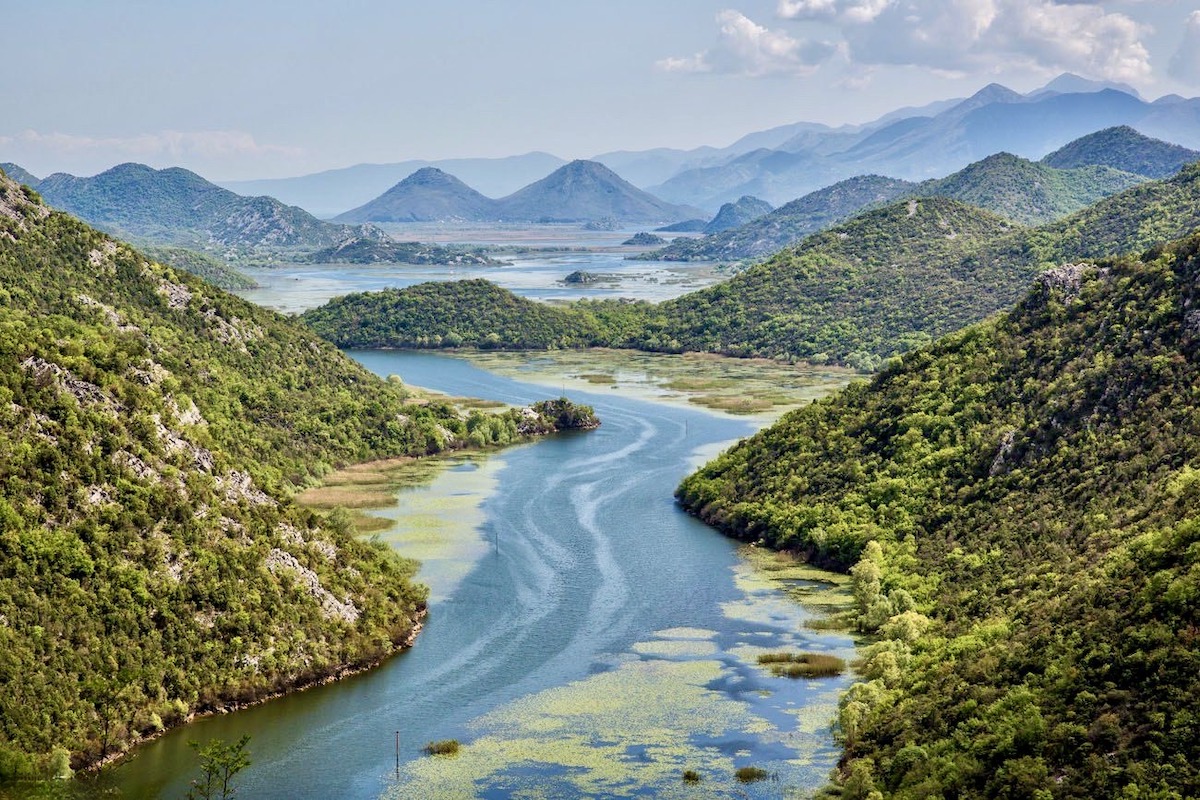
Lake Skadar (also known as Lake Scutari) is one of Montenegro's national treasures and the largest lake in the Balkan Peninsula. Shared between Montenegro and Albania, with around two-thirds of the lake lying within Montenegrin territory. Its surface sits 6 meters above sea level, stretching approximately 41 kilometers in length.
Lake Skadar is home to one of the largest bird reserves in Europe, with around of 270 species, including some of the continents largest pelicans. The lake also has an abundance of fish, particularly carp, bleak, and eel.
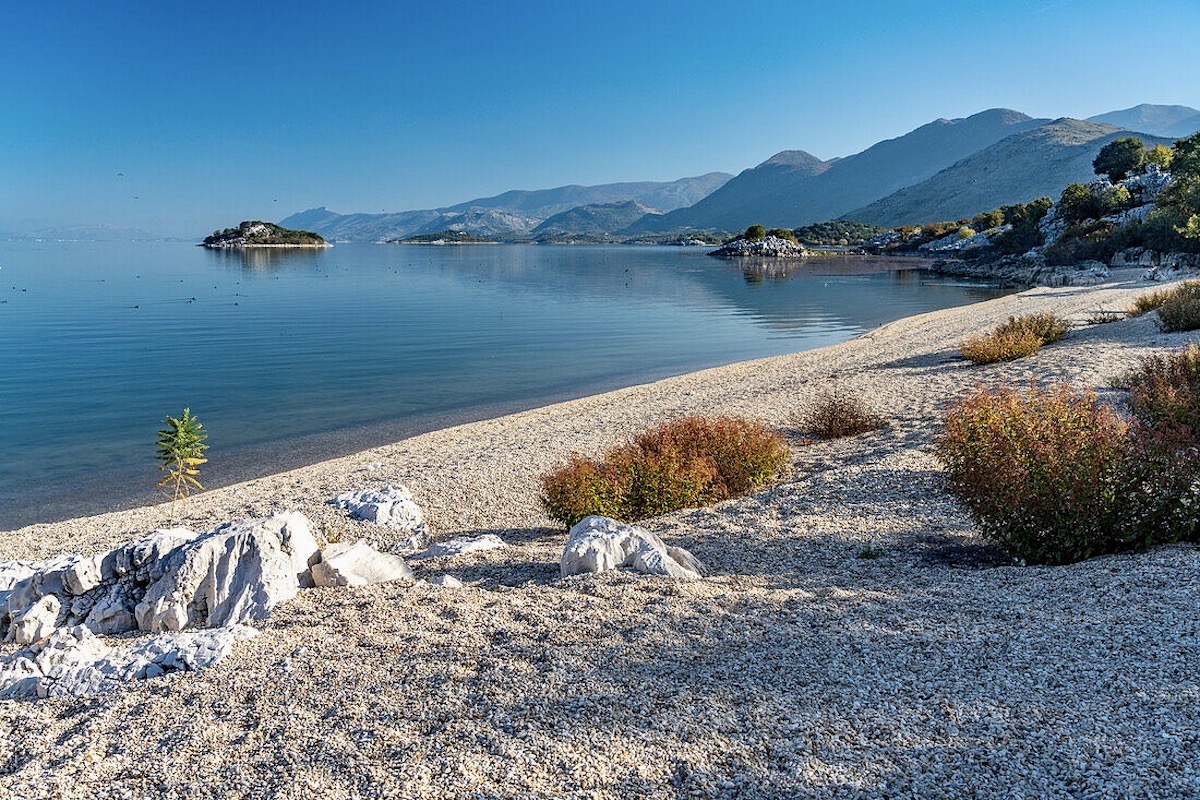
The park features underground springs and the beautiful Murici Beach, a quiet and scenic spot ideal for visitors seeking tranquillity in nature.
The surrounding area was designed a national park in 1983. Due to this ecological importance, Lake Skadar was designated a Ramsar site in 1995, recognising it as of international significance.
Lake Skadar (also known as Lake Scutari) is one of Montenegro's national treasures and the largest lake in the Balkan Peninsula. Shared between Montenegro and Albania, with around two-thirds of the lake lying within Montenegrin territory. Its surface sits 6 meters above sea level, stretching approximately 41 kilometers in length.
Lake Skadar is home to one of the largest bird reserves in Europe, with around of 270 species, including some of the continents largest pelicans. The lake also has an abundance of fish, particularly carp, bleak, and eel.
The park features underground springs and the beautiful Murici Beach, a quiet and scenic spot ideal for visitors seeking tranquillity in nature.
The surrounding area was designed a national park in 1983. Due to this ecological importance, Lake Skadar was designated a Ramsar site in 1995, recognising it as of international significance.
Lovćen
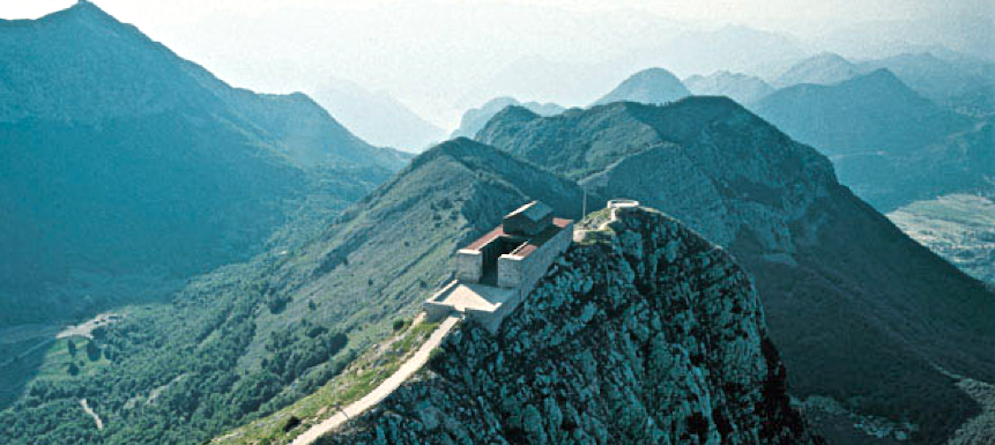
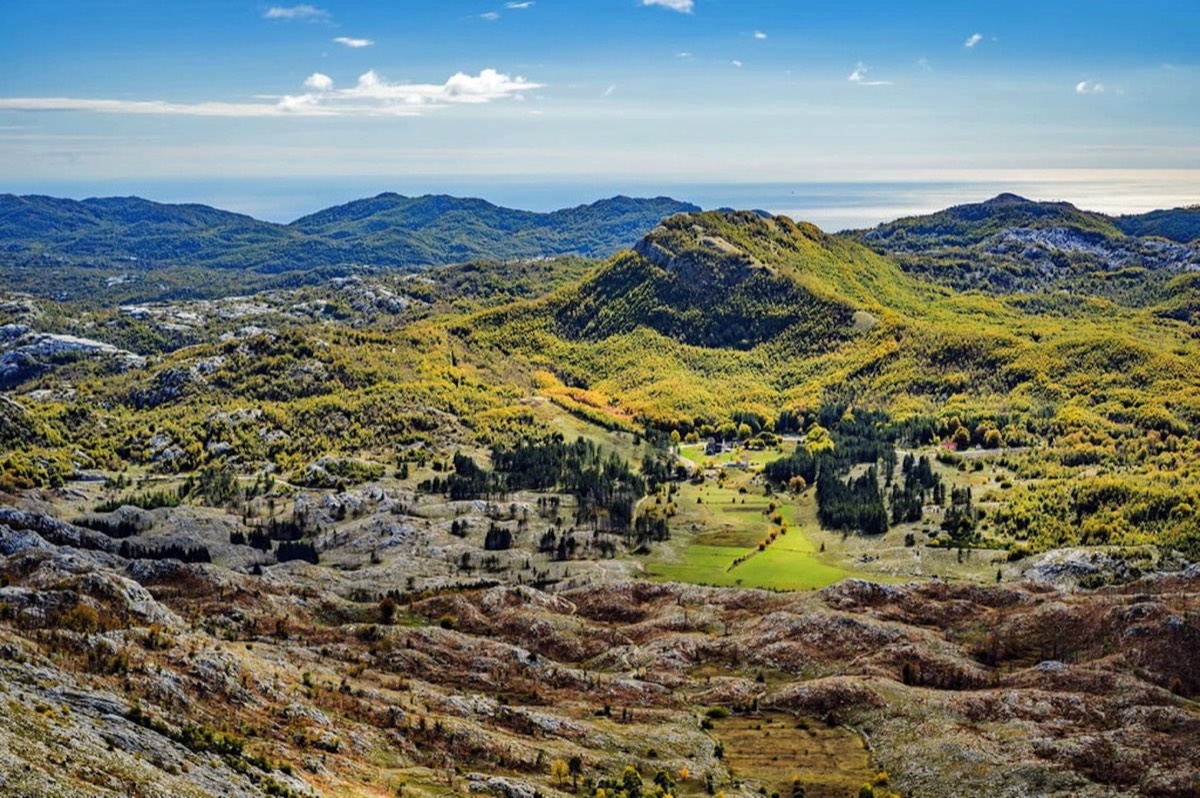
Mount Lovćen encompasses the central and highest part of Lovćen mountain massif, covering an area of 62.20 km². It was proclaimed a national park in 1952 and offers a variety impressive hiking trails to explore through its rugged, scenic terrain.
In addition to its natural beauty, the park was established to protect the area's rich historical, cultural and architectural heritage.
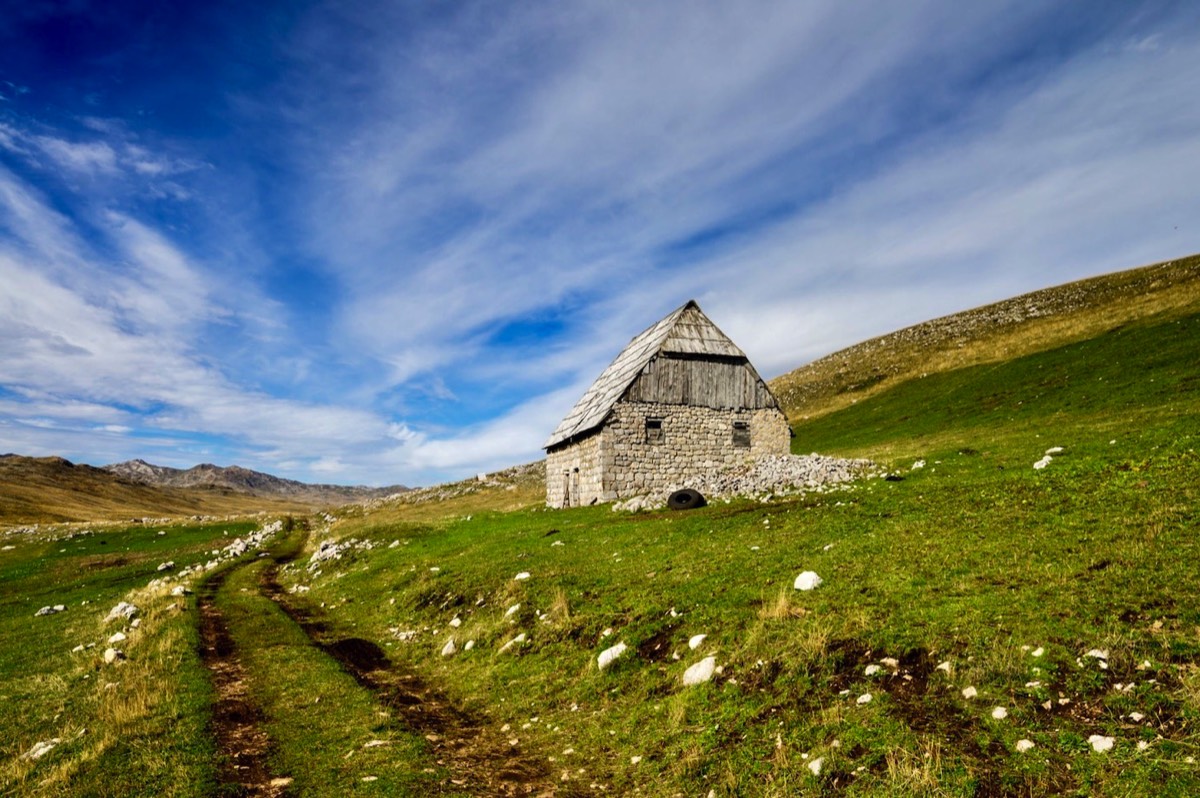
Many of the buildings within Lovćen national park are constructed using traditional national architectural elements. The village of Guvna features authentic historic houses built from stone and wood, while the cottages in Katuna, were originally built as summer settlements for the cattle breeders, reflect that area's pastoral heritage.
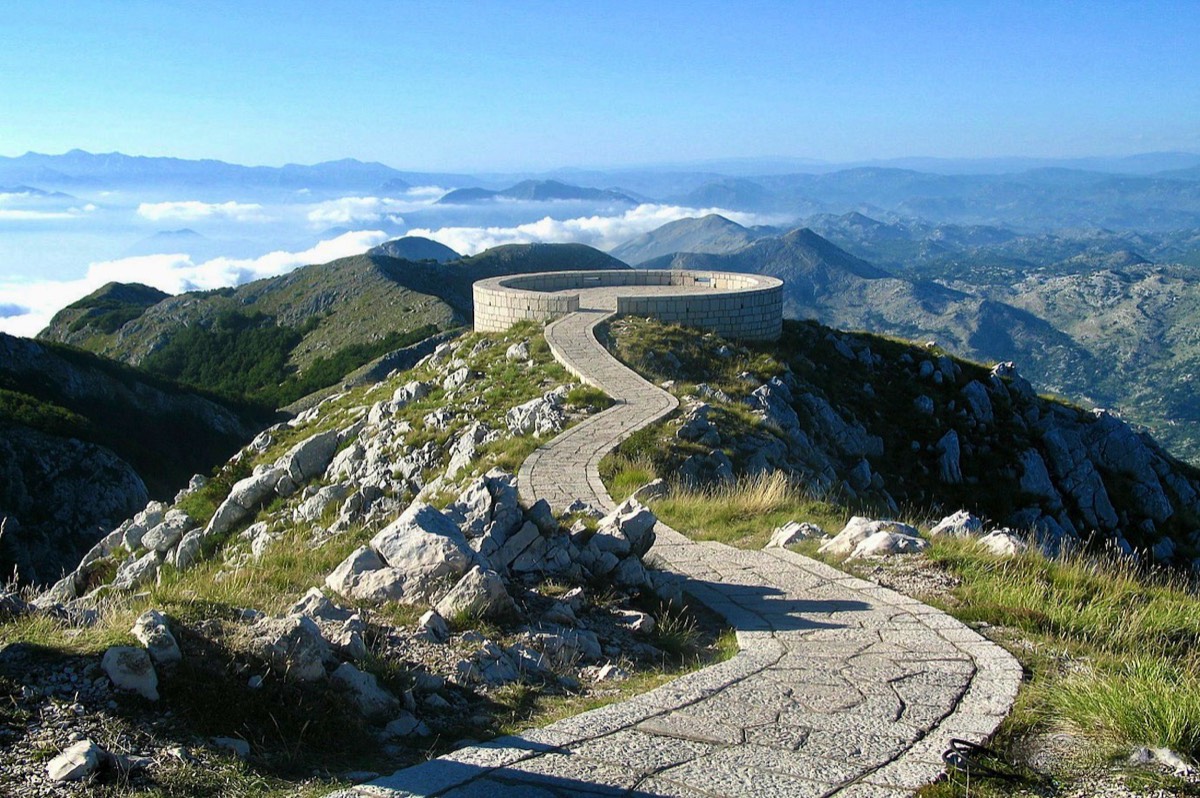
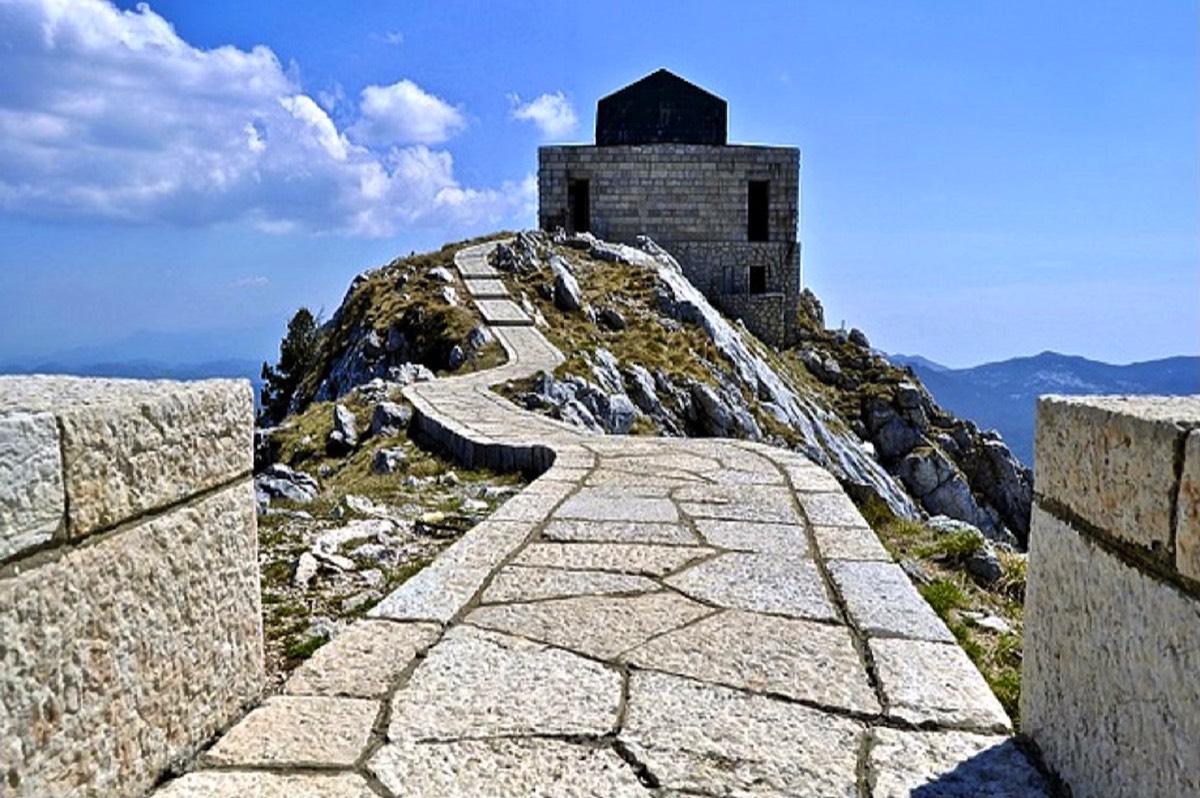
One of the park's most significant landmarks is the Mausoleum of Njegoš, the final resting place of Montenegro's most renowned ruler and poet, Petar II Petrovic-Njegos. The poet-philosopher is buried there in a 28-ton marble tomb. The mausoleum stands at the top of mountain Lovćen, offering some of the most breathtaking views in the country.
Beginning in April 2025, visitors can also enjoy the new Kotor cable car, which connects the coastal town of Kotor directly to Lovćen National Park, making access more convenient and scenic than before.
Mount Lovćen encompasses the central and highest part of Lovćen mountain massif, covering an area of 62.20 km². It was proclaimed a national park in 1952 and offers a variety impressive hiking trails to explore through its rugged, scenic terrain.
In addition to its natural beauty, the park was established to protect the area's rich historical, cultural and architectural heritage.
Many of the buildings within Lovćen national park are constructed using traditional national architectural elements. The village of Guvna features authentic historic houses built from stone and wood, while the cottages in Katuna, were originally built as summer settlements for the cattle breeders, reflect that area's pastoral heritage.
One of the park's most significant landmarks is the Mausoleum of Njegoš, the final resting place of Montenegro's most renowned ruler and poet, Petar II Petrovic-Njegos. The poet-philosopher is buried there in a 28-ton marble tomb. The mausoleum stands at the top of mountain Lovćen, offering some of the most breathtaking views in the country.
Beginning in April 2025, visitors can also enjoy the new Kotor cable car, which connects the coastal town of Kotor directly to Lovćen National Park, making access more convenient and scenic than before.
Prokletije
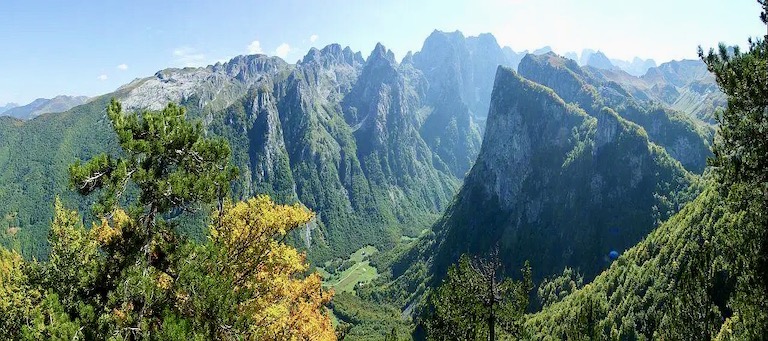
Prokletije National Park is the youngest national park in Montenegro, established in 2009. Located in the far southeastern part of the country, the Prokletije Mountains form a dramatic and rugged border with Albania and Kosovo, and belong to the southernmost part of the Dinaric Alps. This vast expanse of wilderness is characterised by towering peaks, deep gorges, steep slopes, alpine river valleys, and many other natural phenomena.
The park boasts some of the richest vegetation on the Balkan Peninsula, and is one of Central Europe's most significant regions for flora. Around 1,611 wild plants have been described, 50 flora species are endemic, sub-endemic and endangered. It is a habitat for a variety of wildlife, including brown bears, wolves, lynx, wild boar, chamois, deer and rabbits.
Prokletije has become a favourite destination for nature lovers, especially hikers and climbers because of its untamed beauty, remote trails, and breathtaking scenery. The most popular starting points for exploring the park are the two broad valleys of Grebaja and Ropojana, both surrounded by awe-inspiring mountain peaks.
A walk through Grebaje Valley is a particularly pleasurable place to be, consisting of a 2 km walk through four lush meadows, enclosed by towering, snow-capped mountains. With sunshine on your face, a gentle breeze, and the fragrant scents of nature around you, it's a truly immersive experience.
Some of the most popular mountaineering trails in the park include Volusnica peak, Talijanka peak, and Popadija peak, offering breathtaking panoramic views of the whole park that are well worth the climb.
The park is also rich in water resources, with numerous large and small streams, mineral springs, and underground aquifers offering fresh drinking water. Among its many lakes, Hrid Lake (Hridsko Jezero), located at an altitude 1,970 meters, is often considered the most beautiful. Another highlight is Lake Plav, situated at the foot of Prokletije massif. It is the largest lake in the park and Montenegro's biggest glacial lake, stretching 2 km in length and 1 km in width.
Prokletije National Park is the youngest national park in Montenegro, established in 2009. Located in the far southeastern part of the country, the Prokletije Mountains form a dramatic and rugged border with Albania and Kosovo, and belong to the southernmost part of the Dinaric Alps. This vast expanse of wilderness is characterised by towering peaks, deep gorges, steep slopes, alpine river valleys, and many other natural phenomena.
The park boasts some of the richest vegetation on the Balkan Peninsula, and is one of Central Europe's most significant regions for flora. Around 1,611 wild plants have been described, 50 flora species are endemic, sub-endemic and endangered. It is a habitat for a variety of wildlife, including brown bears, wolves, lynx, wild boar, chamois, deer and rabbits.
Prokletije has become a favourite destination for nature lovers, especially hikers and climbers because of its untamed beauty, remote trails, and breathtaking scenery. The most popular starting points for exploring the park are the two broad valleys of Grebaja and Ropojana, both surrounded by awe-inspiring mountain peaks.
A walk through Grebaje Valley is a particularly pleasurable place to be, consisting of a 2 km walk through four lush meadows, enclosed by towering, snow-capped mountains. With sunshine on your face, a gentle breeze, and the fragrant scents of nature around you, it's a truly immersive experience.
Some of the most popular mountaineering trails in the park include Volusnica peak, Talijanka peak, and Popadija peak, offering breathtaking panoramic views of the whole park that are well worth the climb.
The park is also rich in water resources, with numerous large and small streams, mineral springs, and underground aquifers offering fresh drinking water. Among its many lakes, Hrid Lake (Hridsko Jezero), located at an altitude 1,970 meters, is often considered the most beautiful. Another highlight is Lake Plav, situated at the foot of Prokletije massif. It is the largest lake in the park and Montenegro's biggest glacial lake, stretching 2 km in length and 1 km in width.